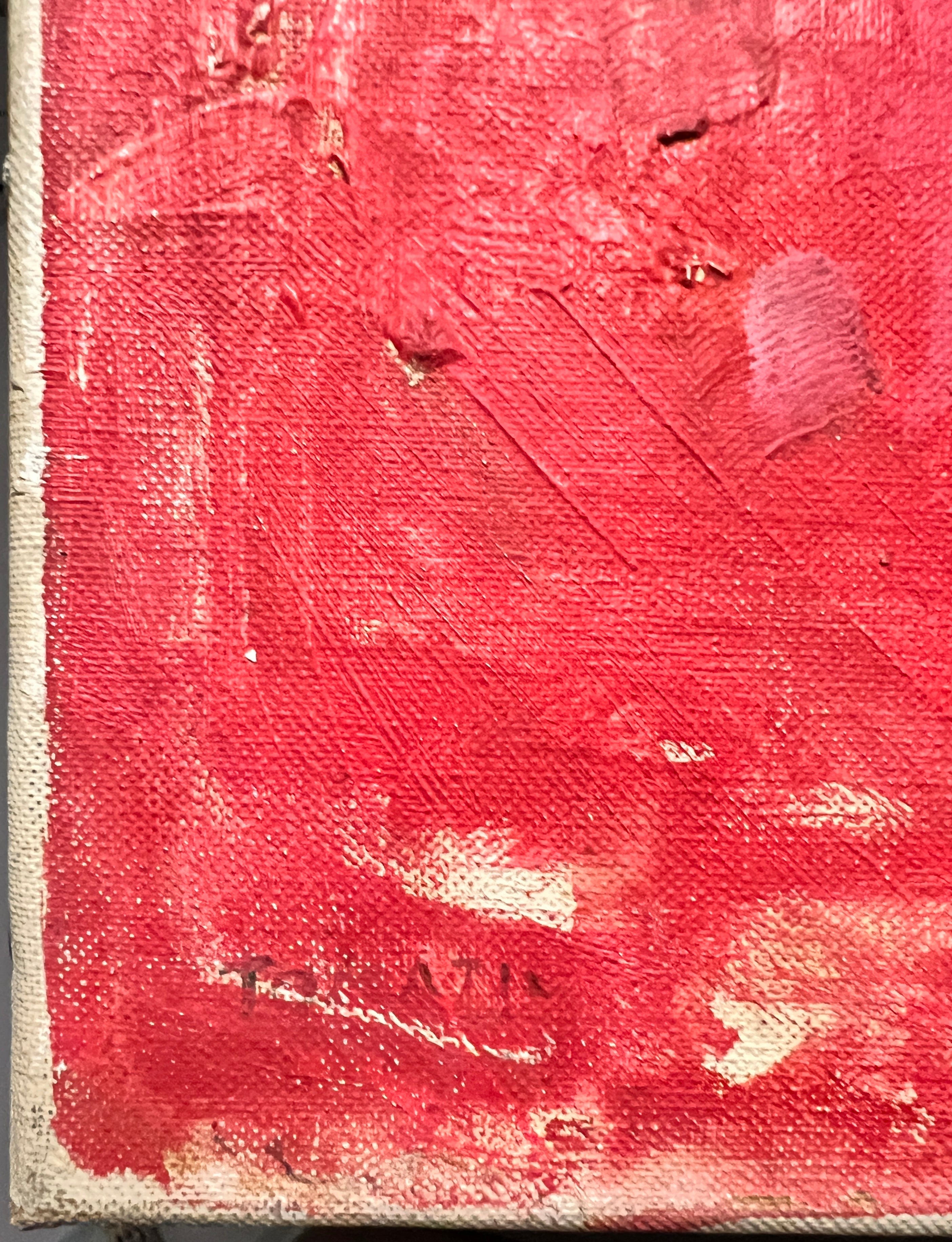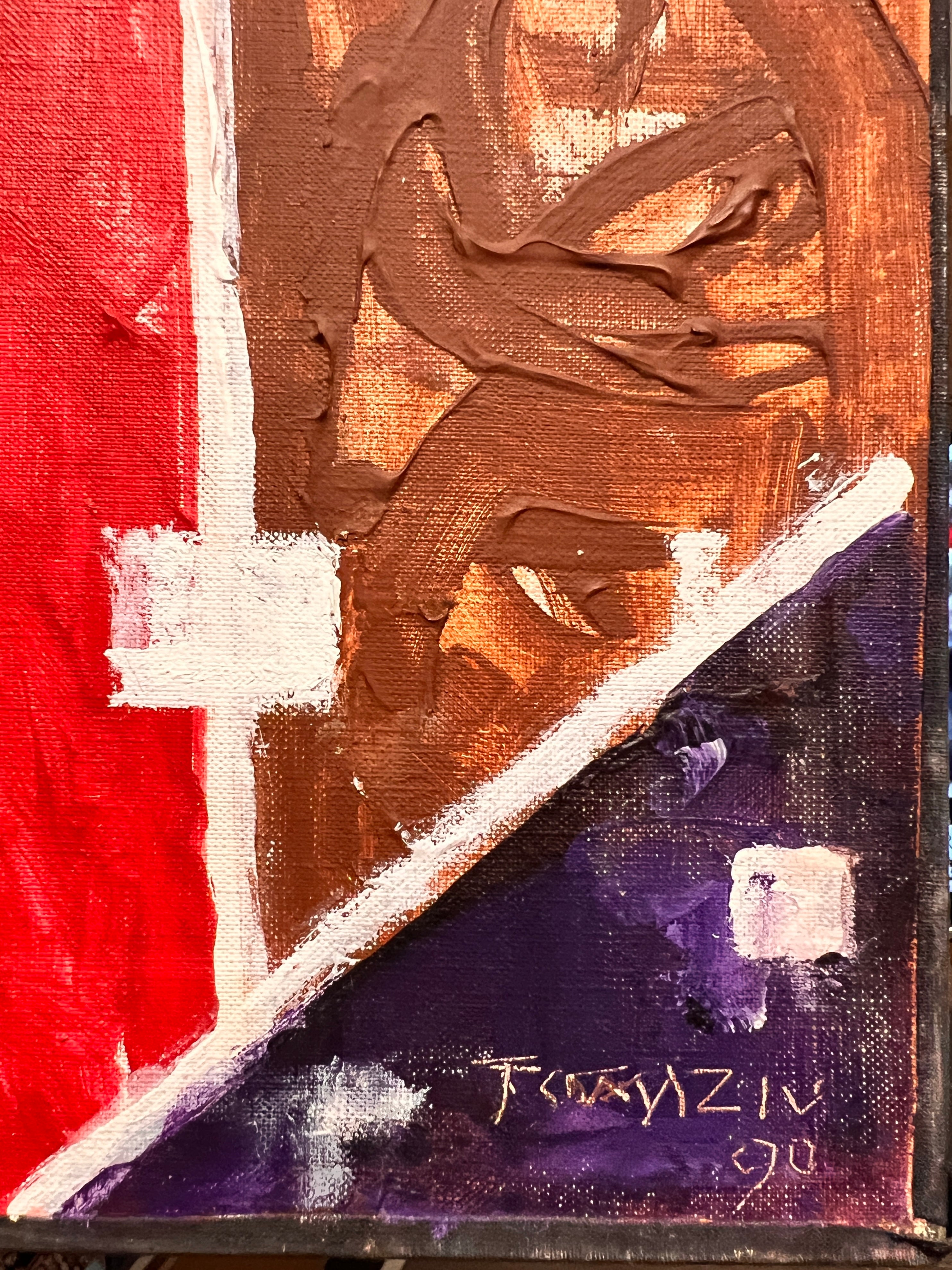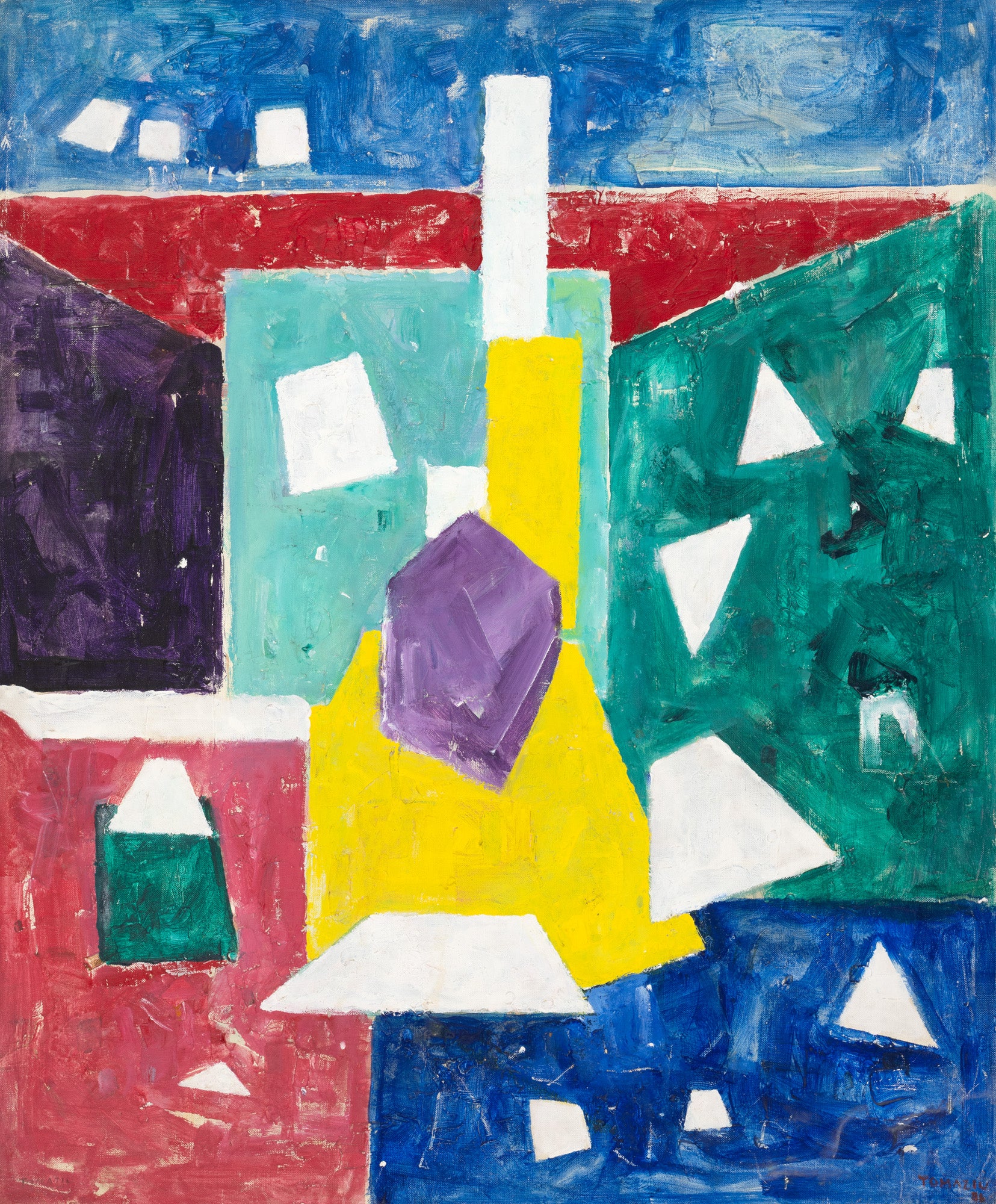
George Tomaziu - Urban Landscape
Sale price1.750,00 lei
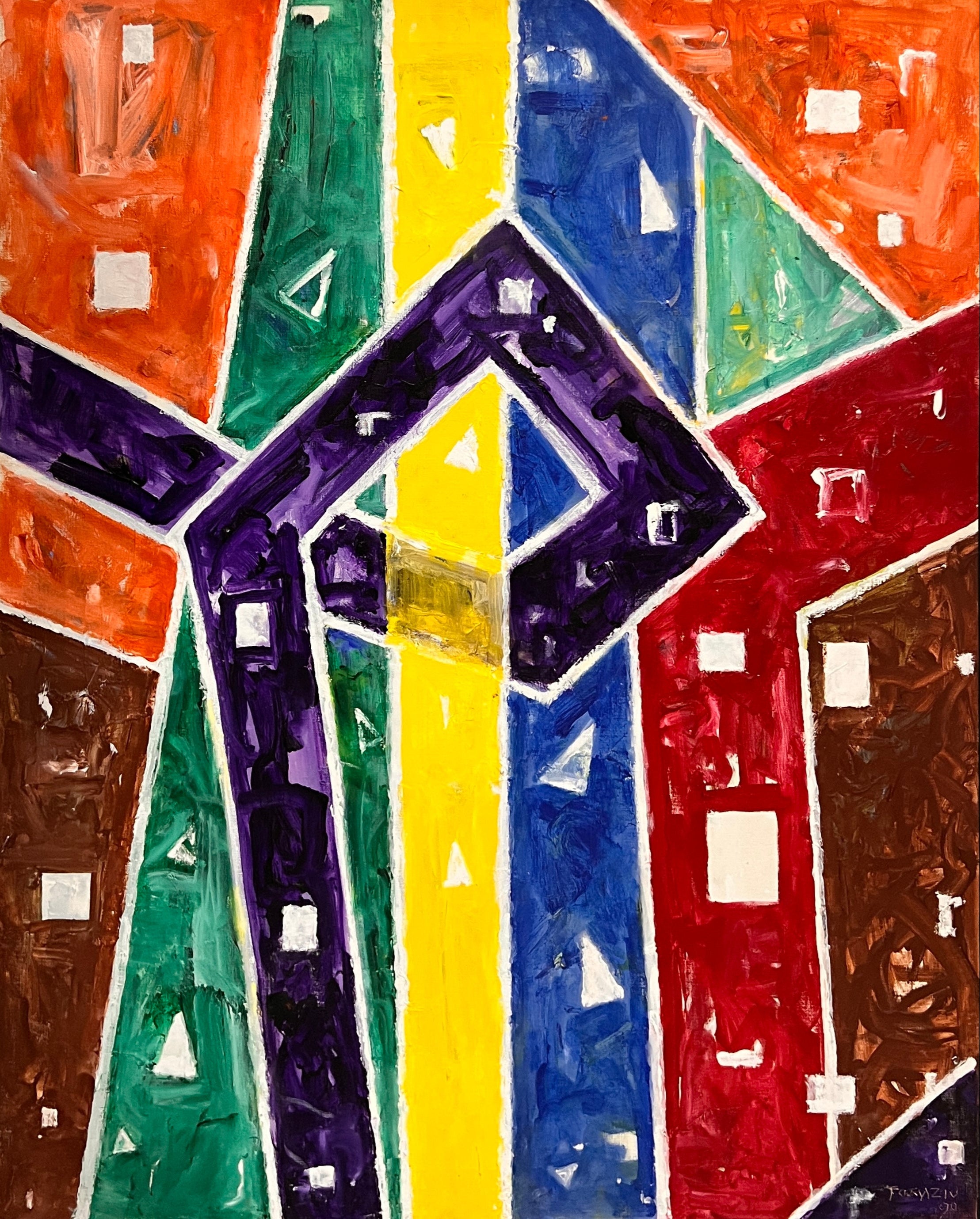
George Tomaziu - Intersections
Sale price3.250,00 lei


Cart
Your cart is empty
George Tomaziu (April 4, 1915, Dorohoi – December 3, 1990, Paris) was a painter, graphic artist, and memoirist, trained at the Bucharest Academy of Fine Arts in Francisc Șirato's class. His painting is distinguished by the clarity of its drawing, a restrained color palette, and clear compositions – still lifes, urban landscapes, interiors, and figures – in which a lyrical note meets direct observation, without grandiloquent effects.
His biography has a dramatic trajectory: during World War II, he collaborated with British services, creating sketches and transmitting information about military dispositions. After the change of regime, he was arrested and spent 13 years in communist prisons. The experience of detention, isolation, and inner resistance was later transformed into memoir pages, where the lucidity of his artistic gaze intertwines with the rigor of historical testimony.
After his release, Tomaziu settled in Paris and gradually rebuilt his artistic life. In his mature works, that calm geometry of composition returns: well-articulated planes, sure contours, filtered warm light; southern cities, quiet streets, studio corners become pretexts for a visual meditation on freedom, memory, and human fragility. His portraits and landscapes maintain an expressive discretion that enhances the subterranean power of the image.
Today, George Tomaziu is regarded as a singular figure of Romanian modernity: an artist for whom line and testimony overlap, and painting becomes a form of dignity. His work, traversed by silence and light, remains a benchmark of moral clarity and economy of means, transformed into lasting artistic expression.
Sort by
2 products