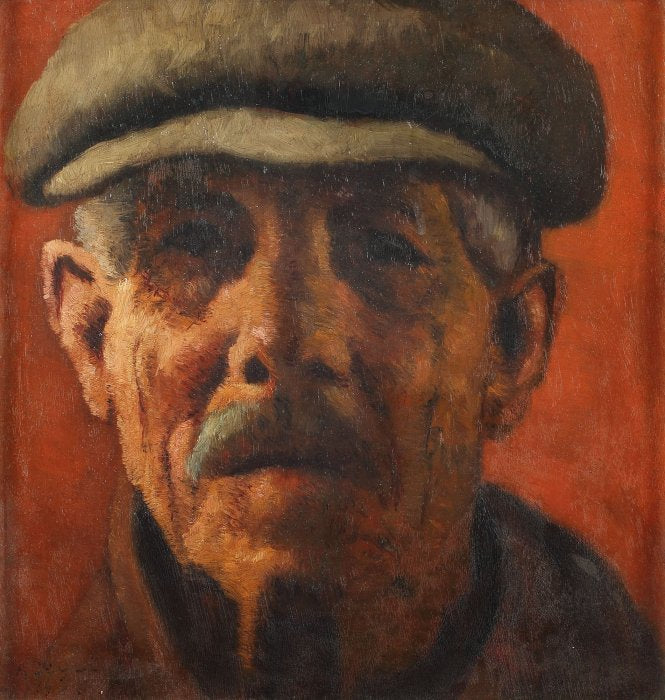
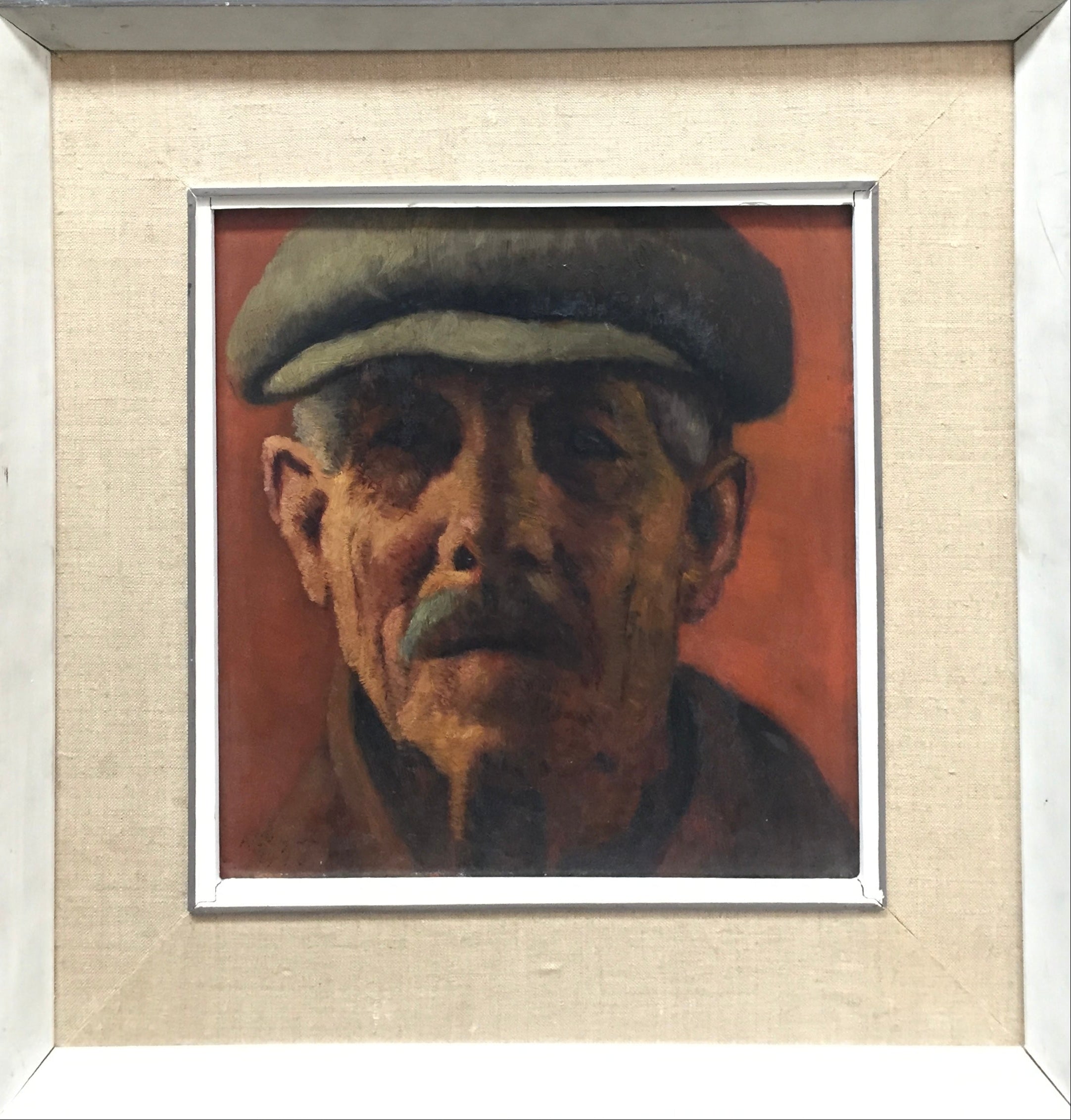
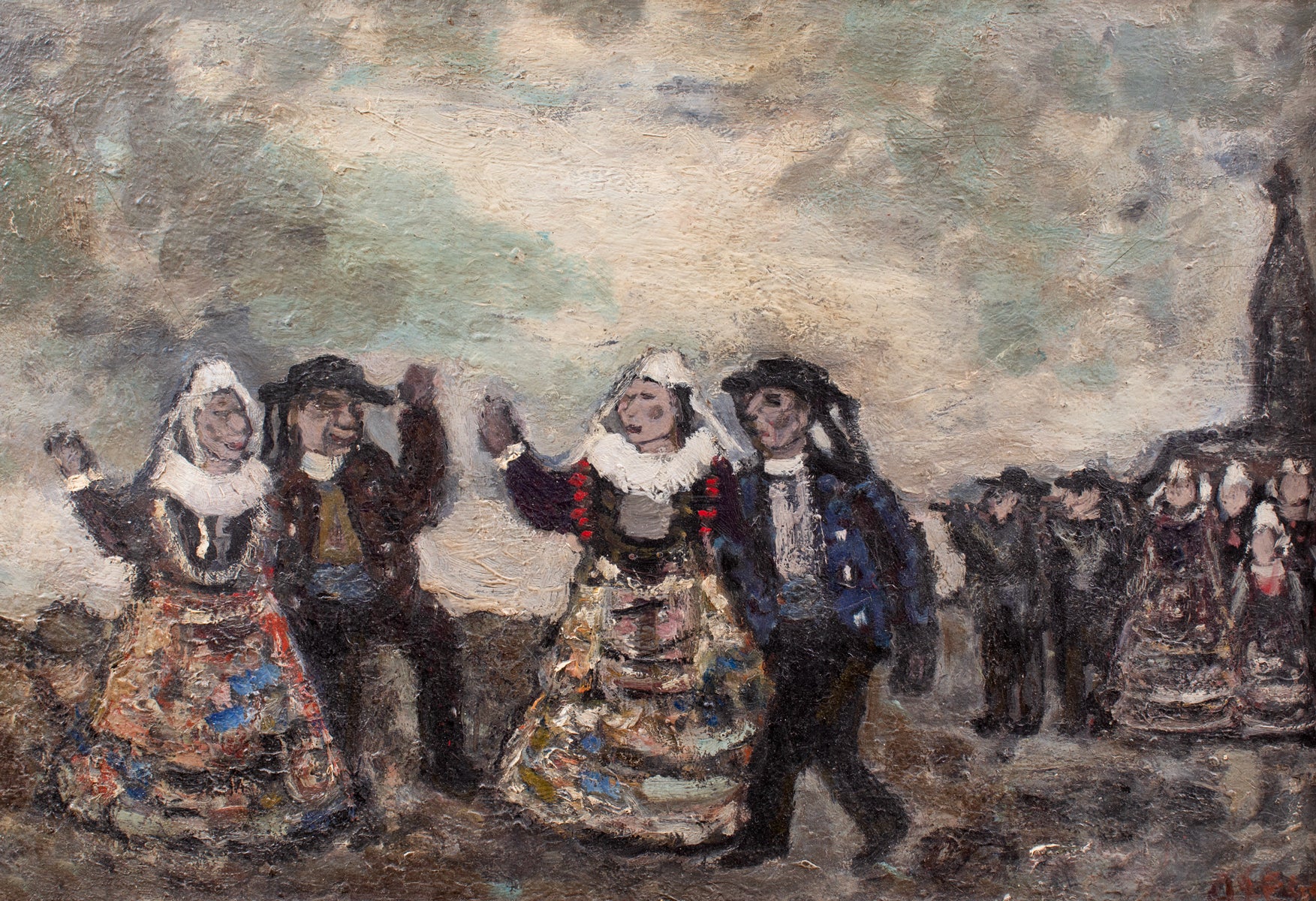
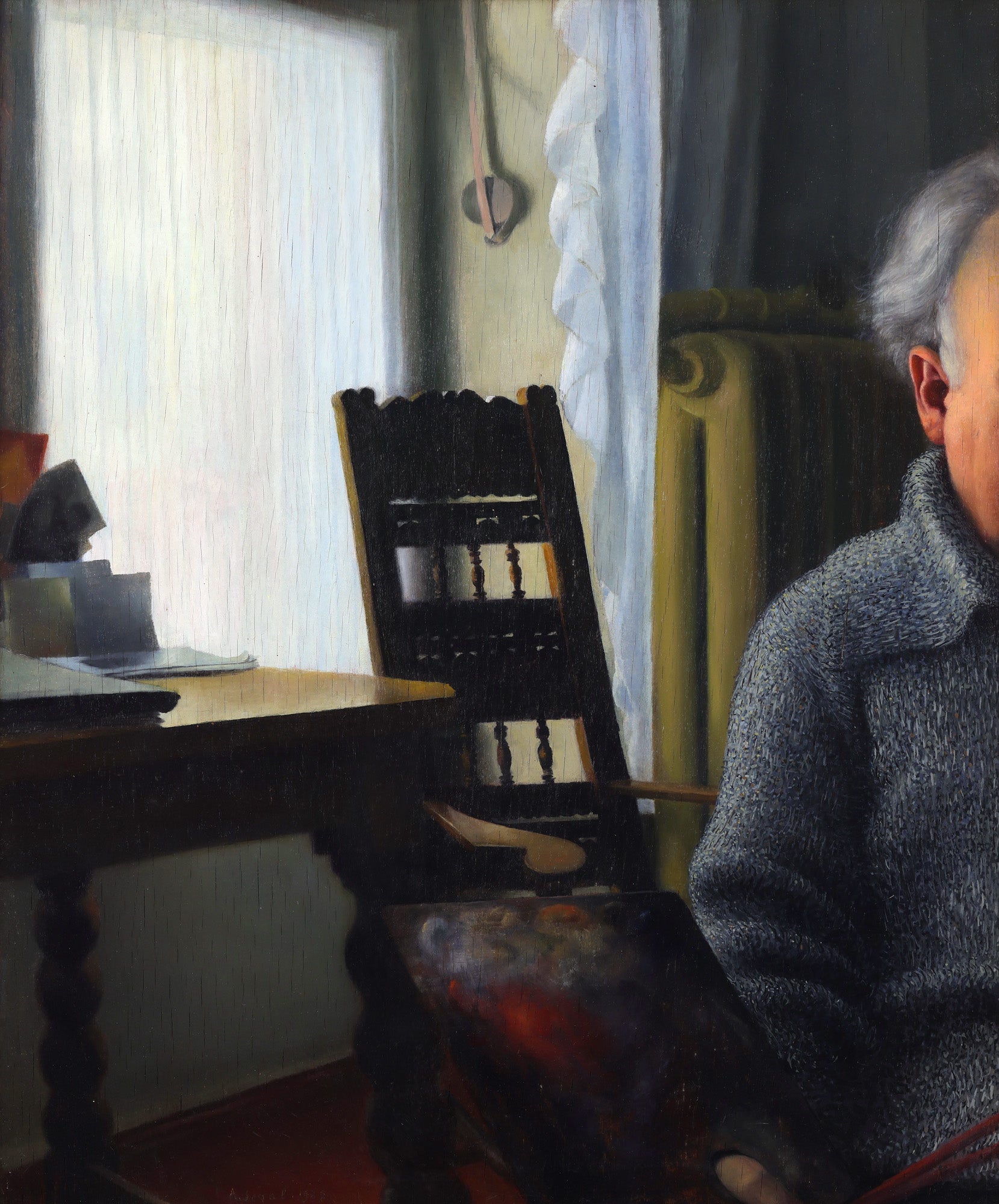
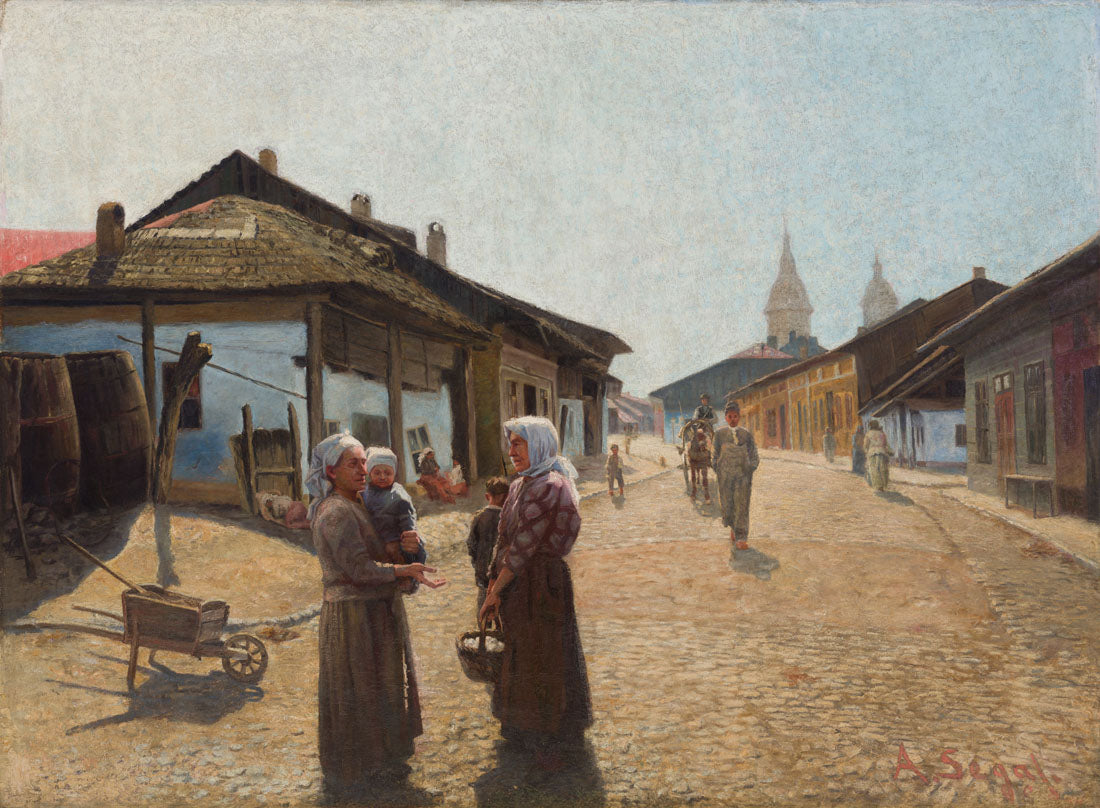
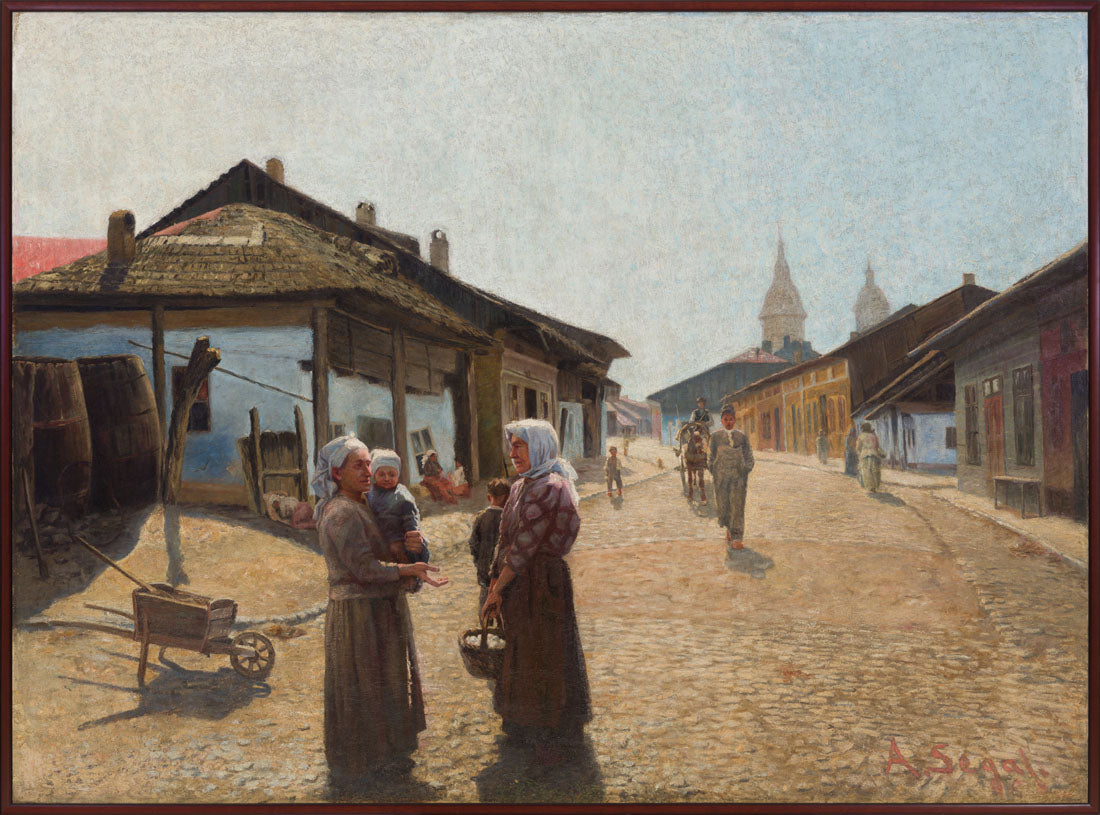
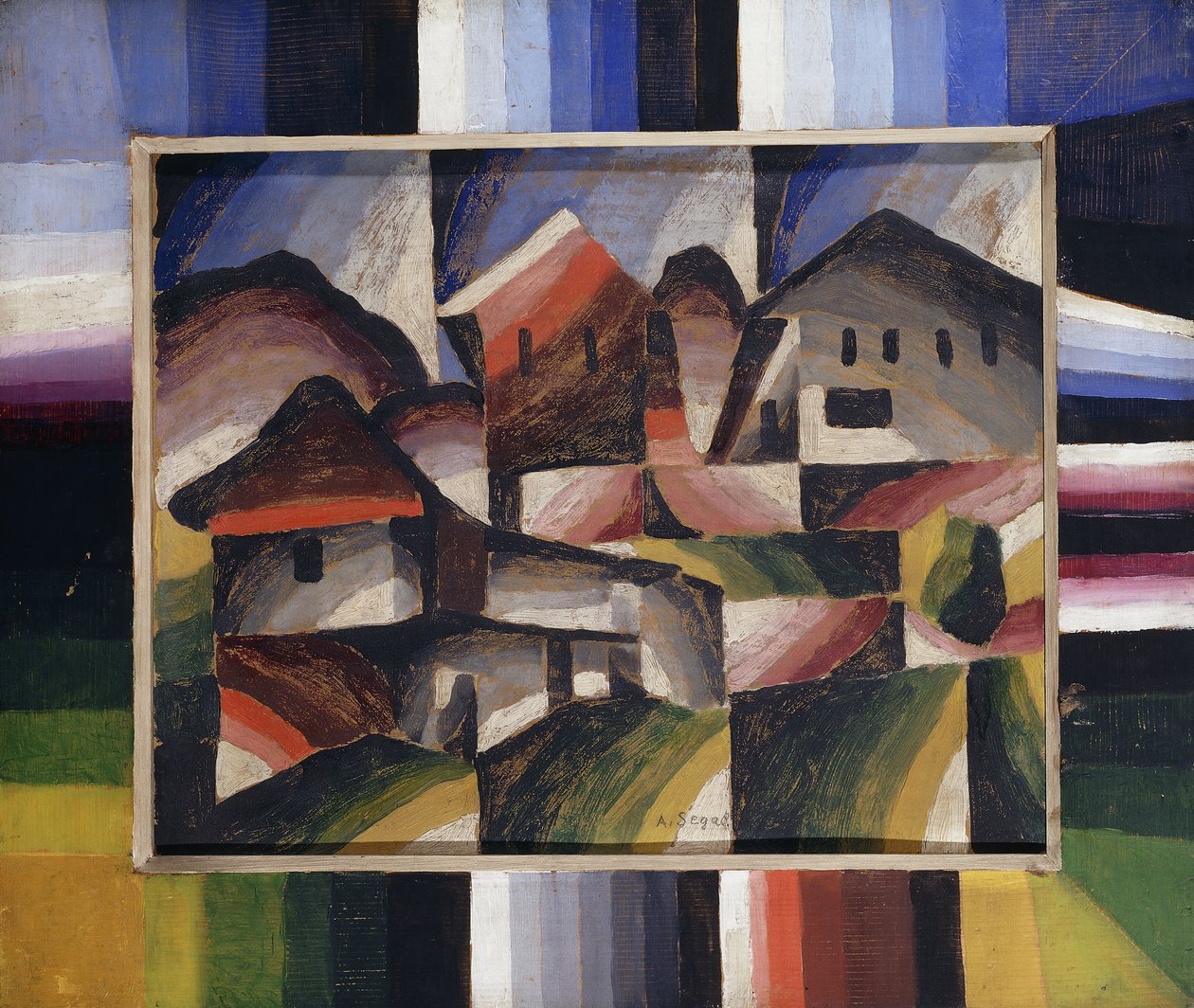
Arthur Segal (1875, Iași – 1944, London) was a Romanian avant-garde painter and graphic artist, one of the essential bridges between Romanian modernism and major European movements. Trained in Munich and Berlin, Segal exhibited with the Berlin Secession, asserting himself through an expressionistic language consolidated by constructive rigor. During the First World War, he was in Zurich, where he joined the Dada circle; here he created engravings and woodcuts with a strong anti-war message, definitive for his ethical and aesthetic profile.
After 1919, he returned to Berlin, joined the Novembergruppe and Arbeitsrat für Kunst, theorizing the "equivalence of contrasts" – a compositional principle by which color planes, light, and shadow become balanced elements with equal expressive value. In painting, Segal migrated from urban scenes, interiors, and seascapes (with reflections, gangways, shorelines) to increasingly geometric compositions, where structure takes precedence over anecdote. The palette is sober, analytical, and the construction of the image – clear, with rigorous internal logic.
Persecuted by the Nazi regime, he emigrated in 1933 and finally settled in London (1936), where he opened the Arthur Segal School of Painting and Drawing, continuing both theoretical research and pedagogical practice. His graphic works – especially his woodcuts – remain landmarks of European modernism through the synthesis of ethics, idea, and craftsmanship.
Today, Arthur Segal is recognized as a classic of the avant-garde: a lucid artist for whom painting and engraving are, equally, laboratories of visual thought, where the modern balance between form, color, and meaning becomes a principle of freedom.