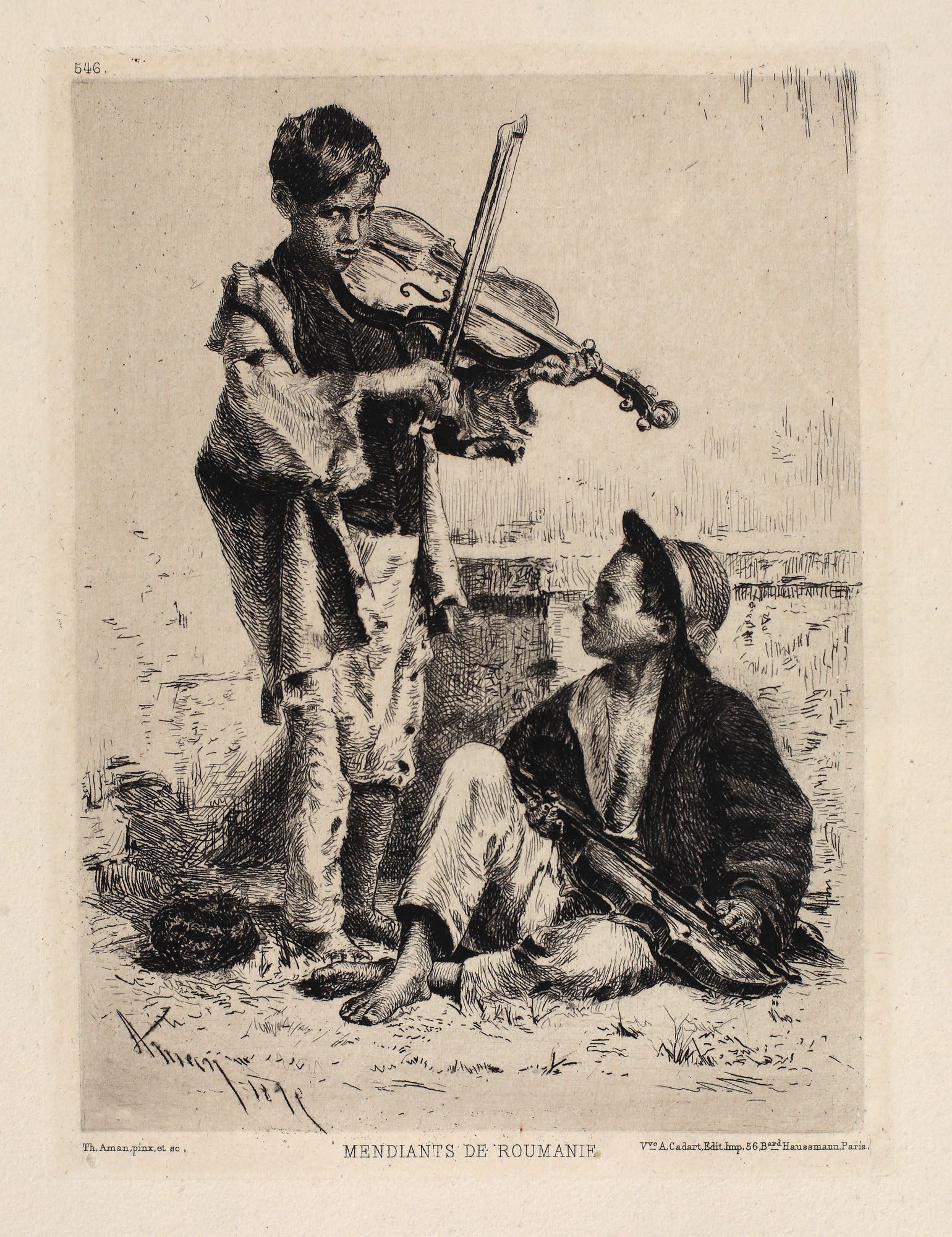
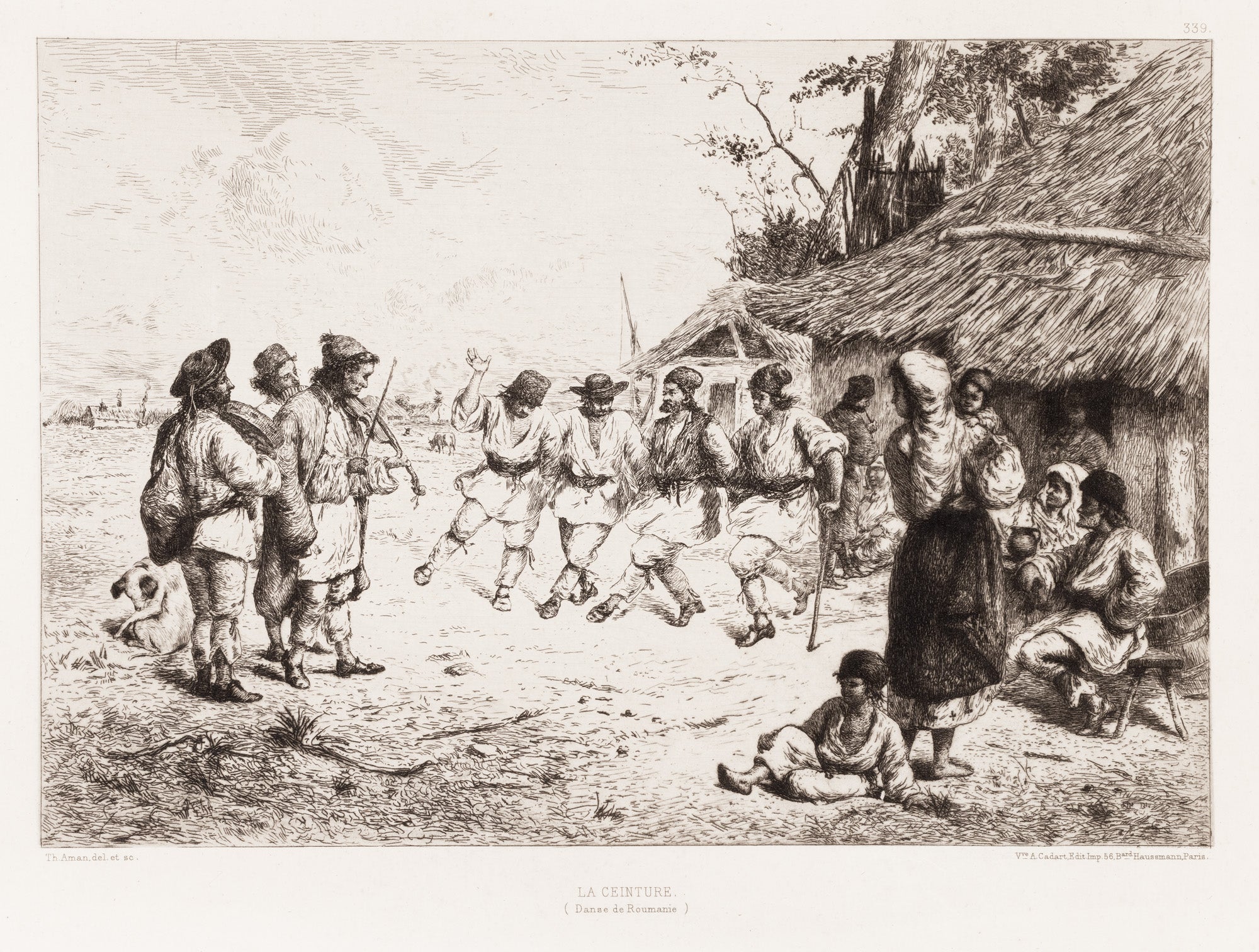
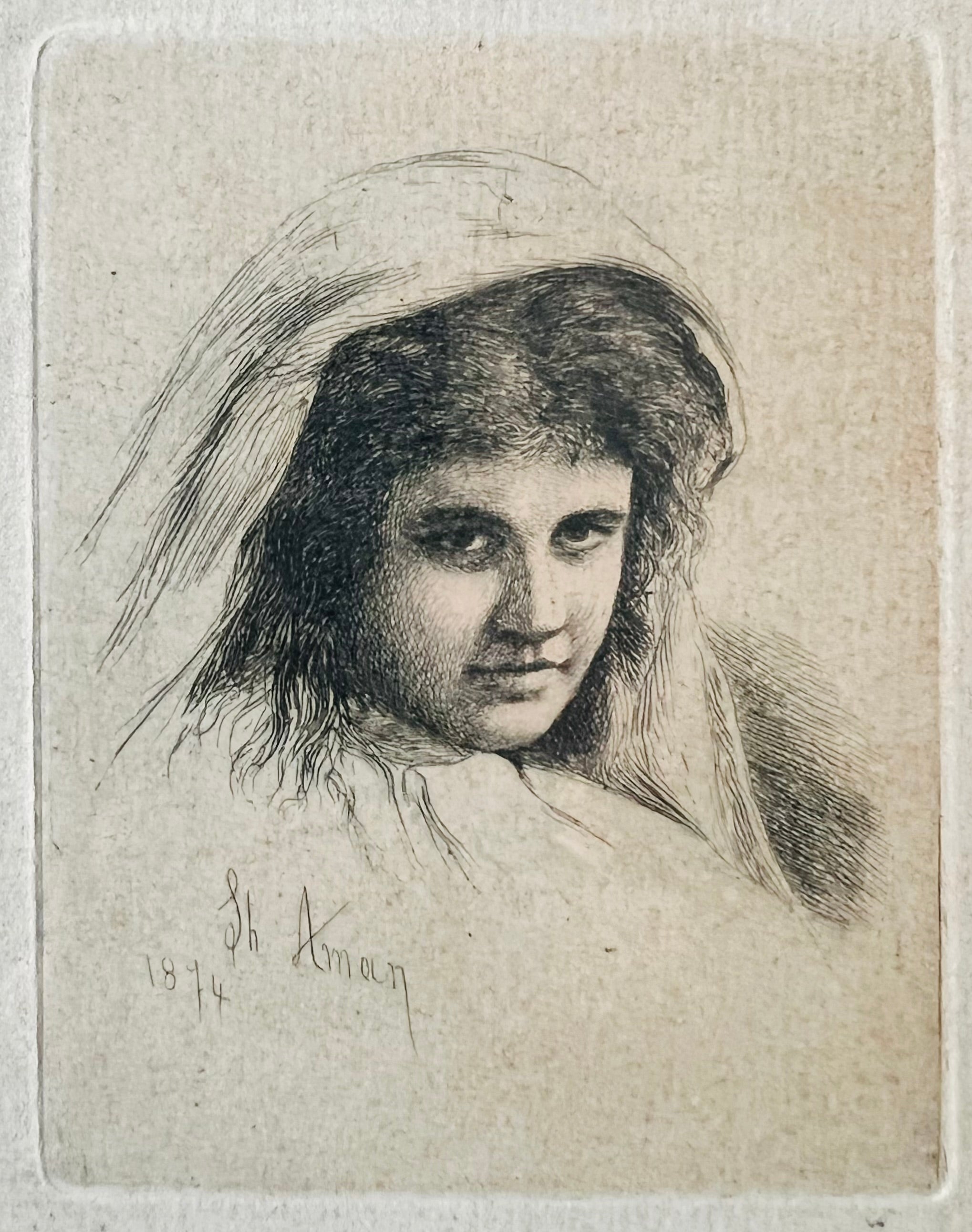
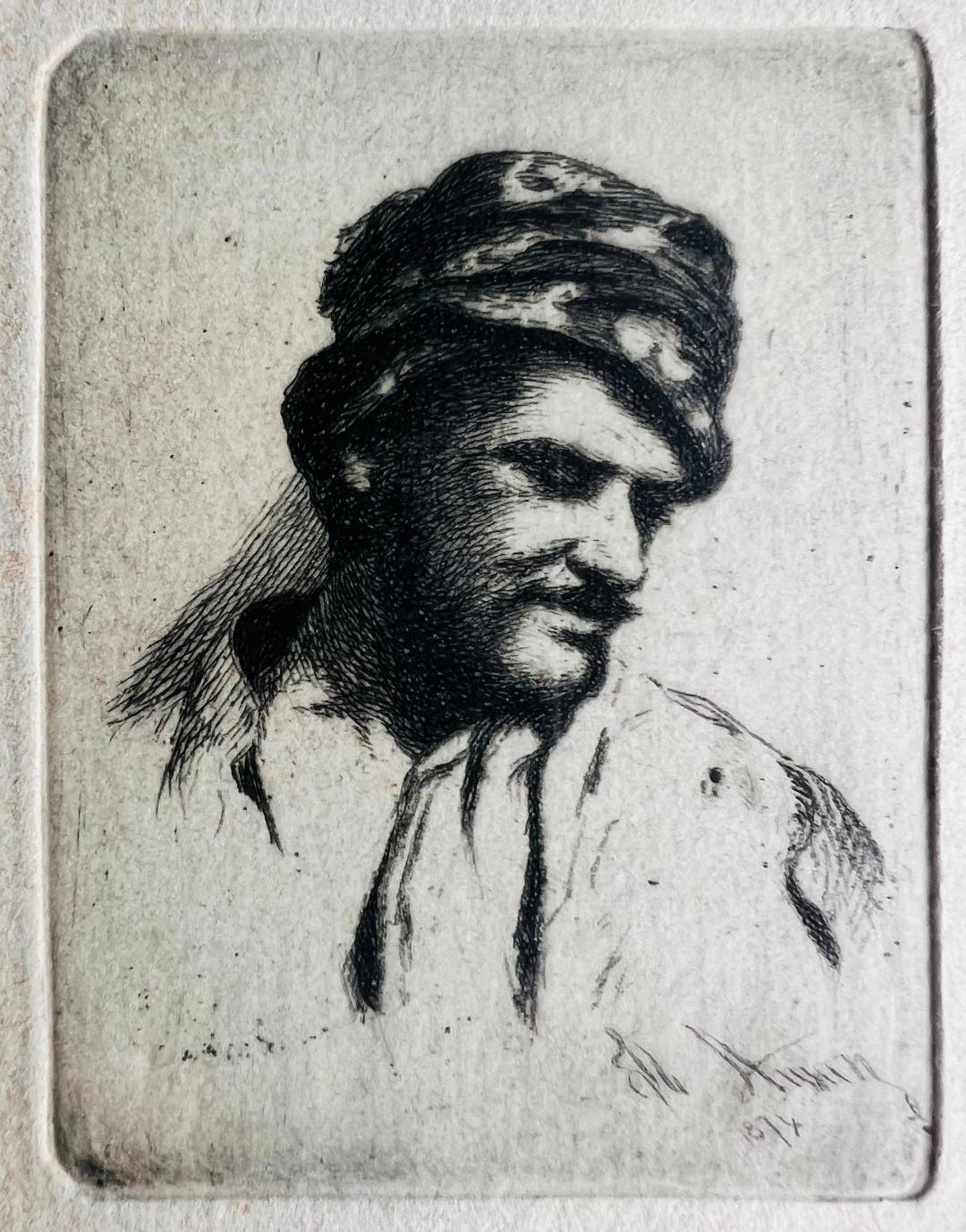
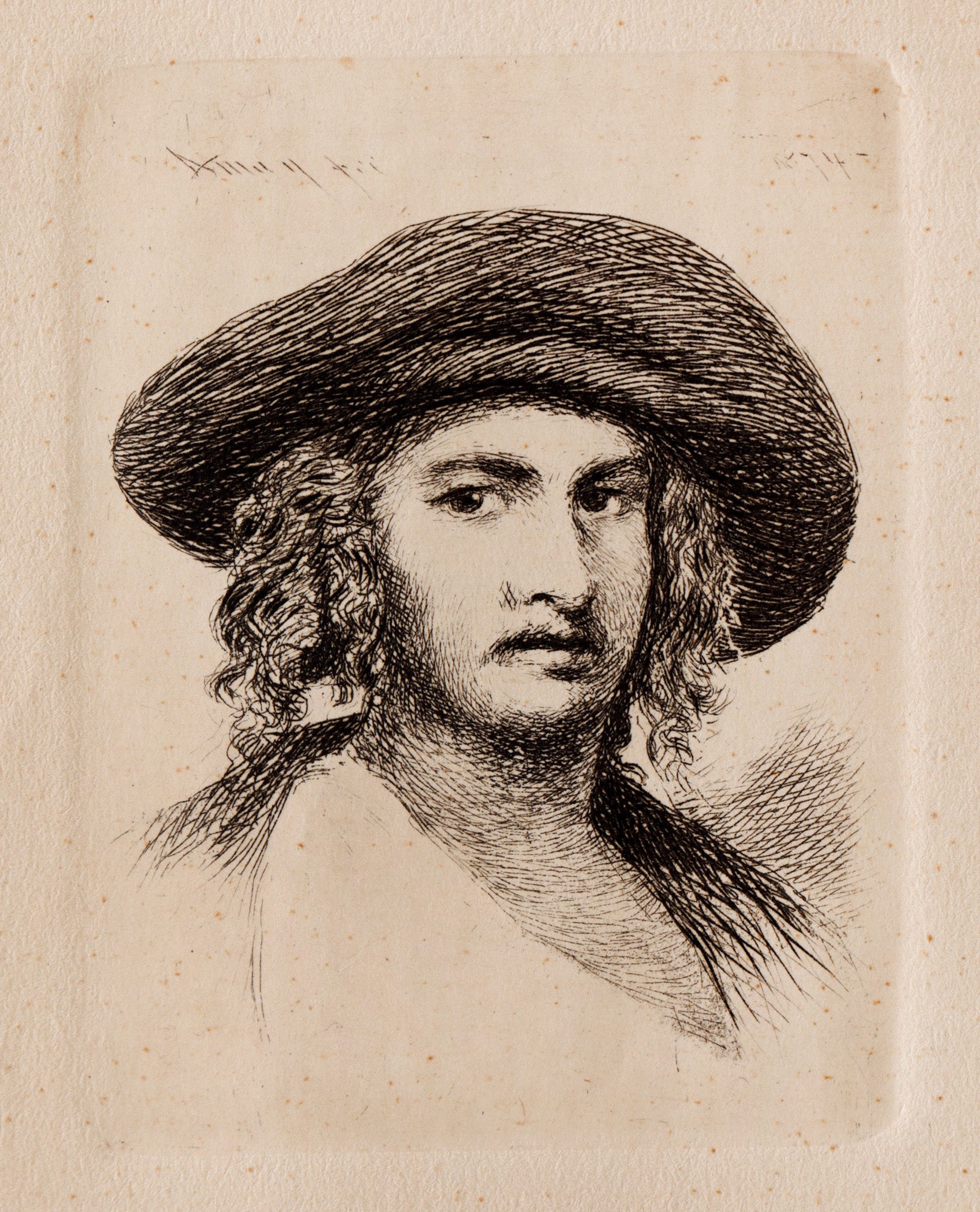
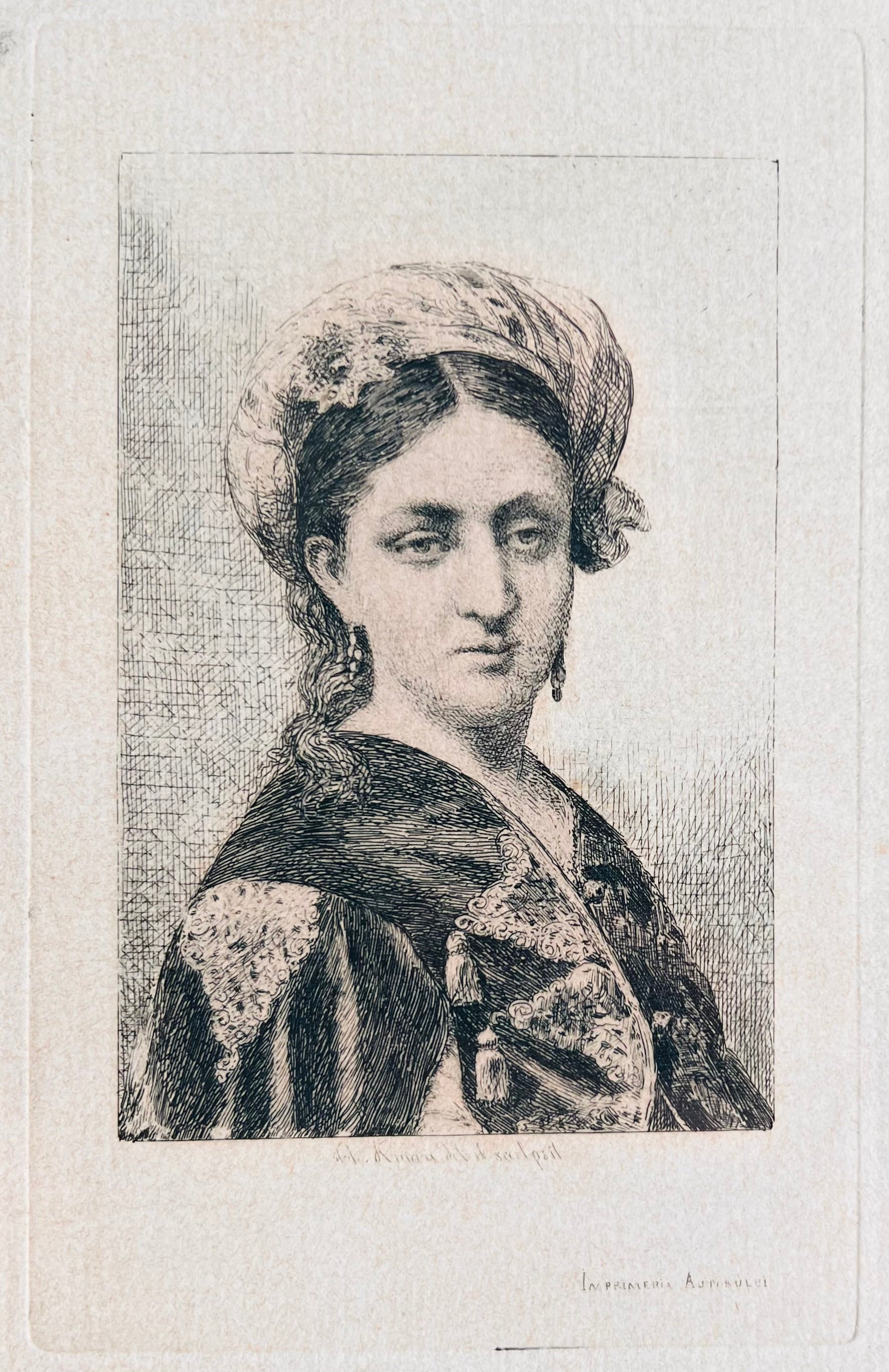
Theodor Aman (1831–1891) is one of the founding figures of modern Romanian art — a painter, draughtsman, and engraver, an animator of cultural life, and the founder of the Bucharest School of Fine Arts (1864), of which he was the first director. Trained in Paris, in the spirit of French academism, Aman brought to the Romanian artistic scene the rigor of drawing, the discipline of composition, and a refined taste for color and detail.
His painted oeuvre includes historical scenes (the epic of Mihai Viteazul, Tudor Vladimirescu), genre scenes, portraits, studio interiors, landscapes, and still lifes, in which the nobility of the subject meets balanced chromatics and a clear image construction. The portraits, in particular, reveal a passion for character and psychology, supported by warm light and carefully controlled brushwork.
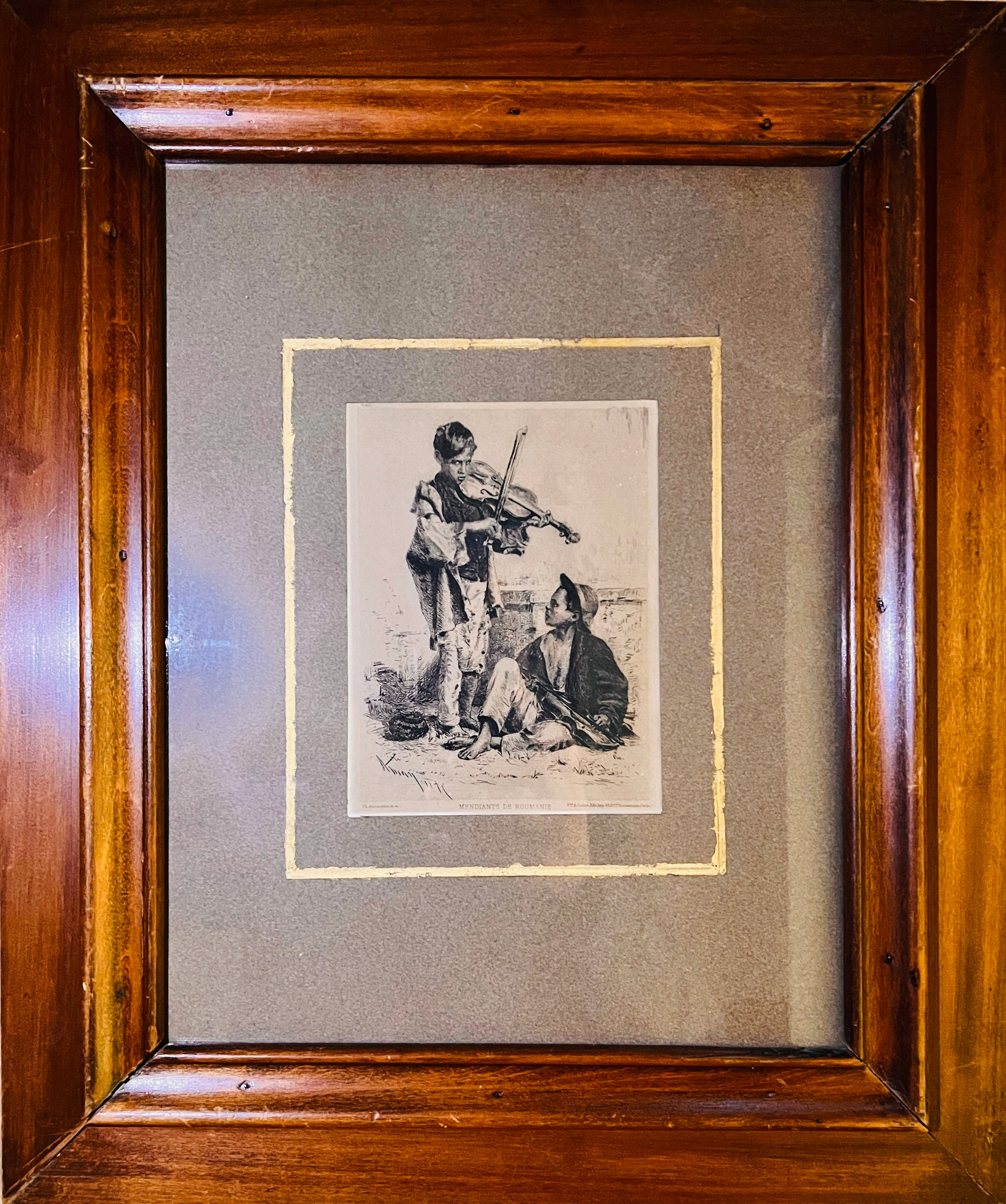
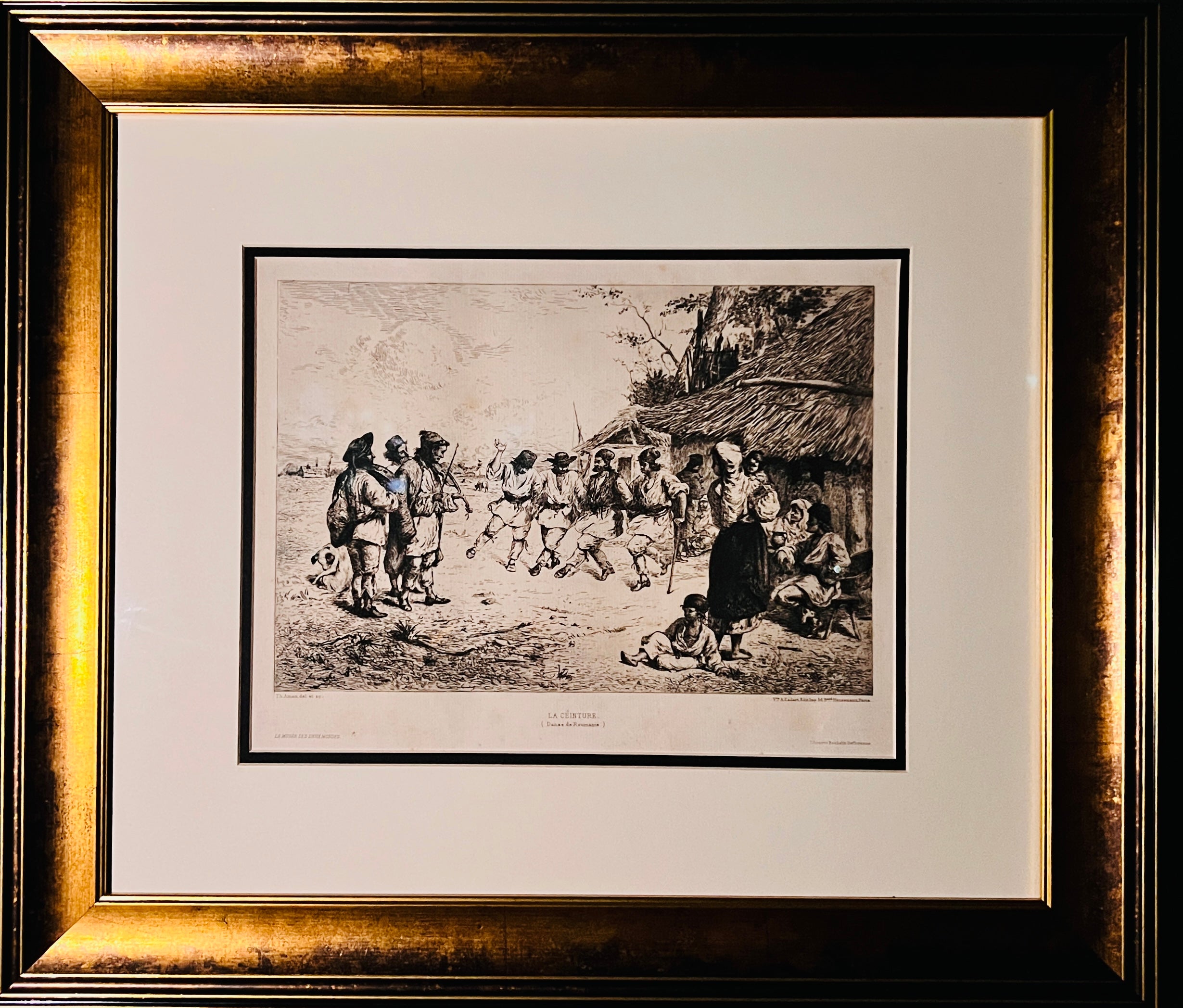
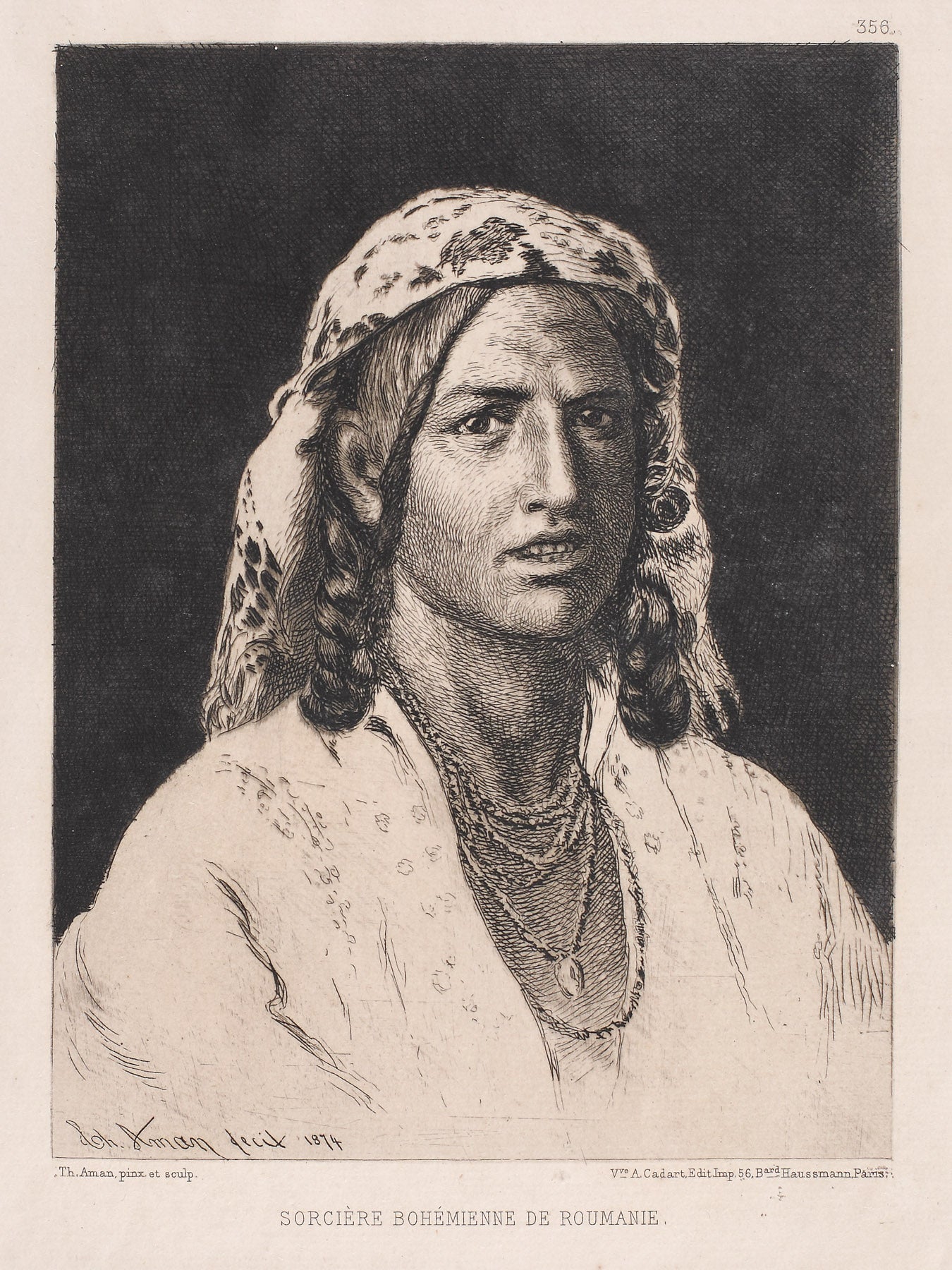
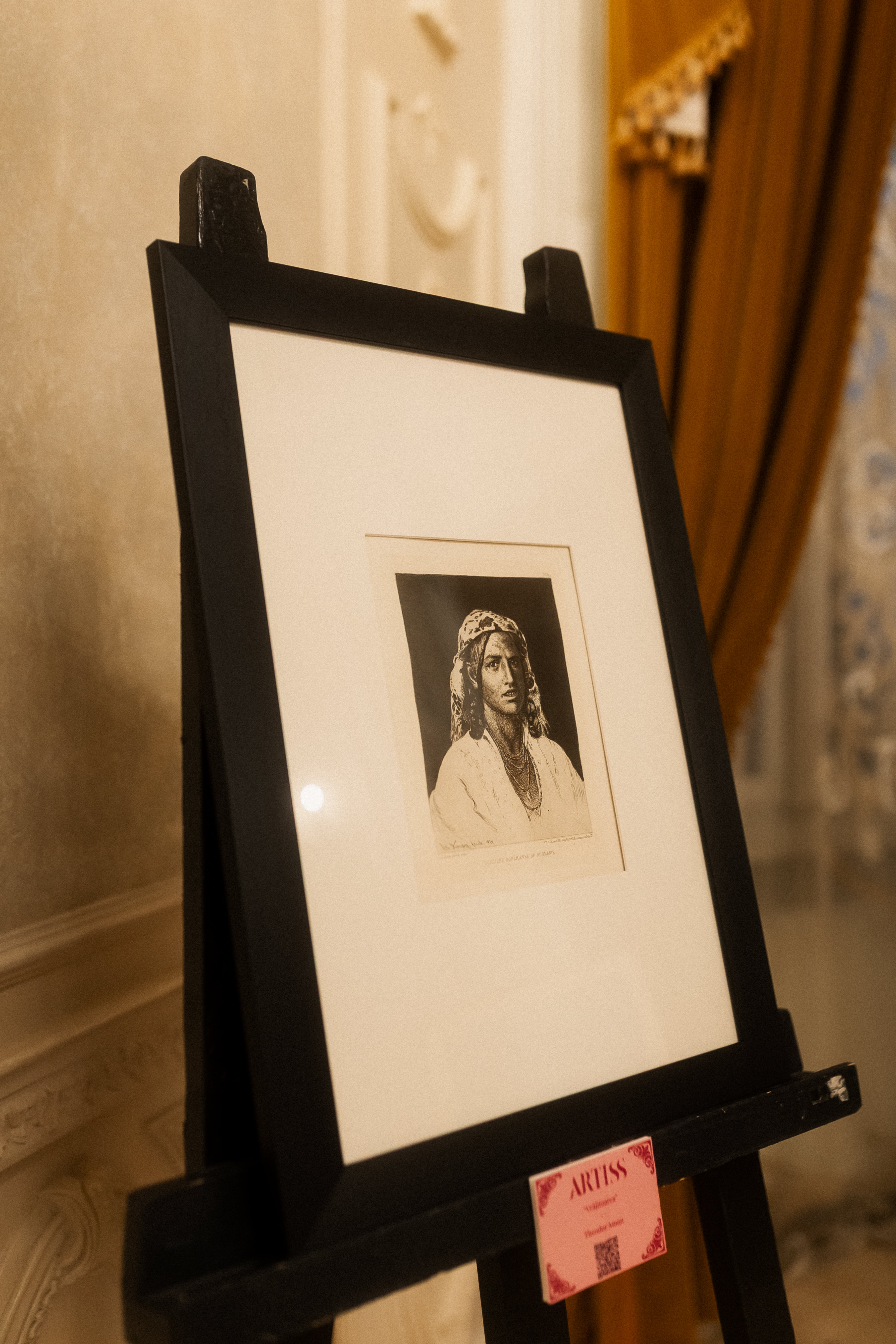
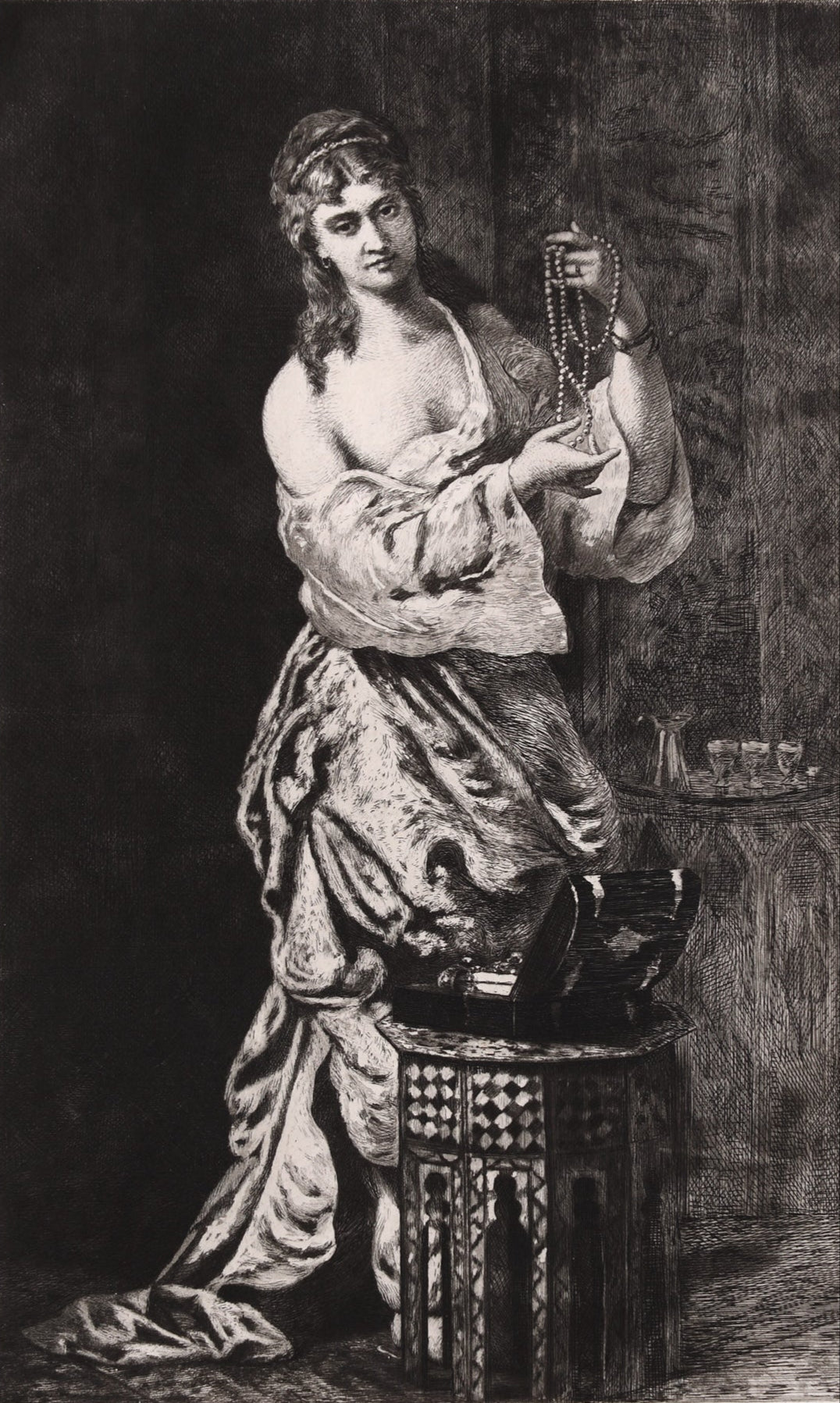
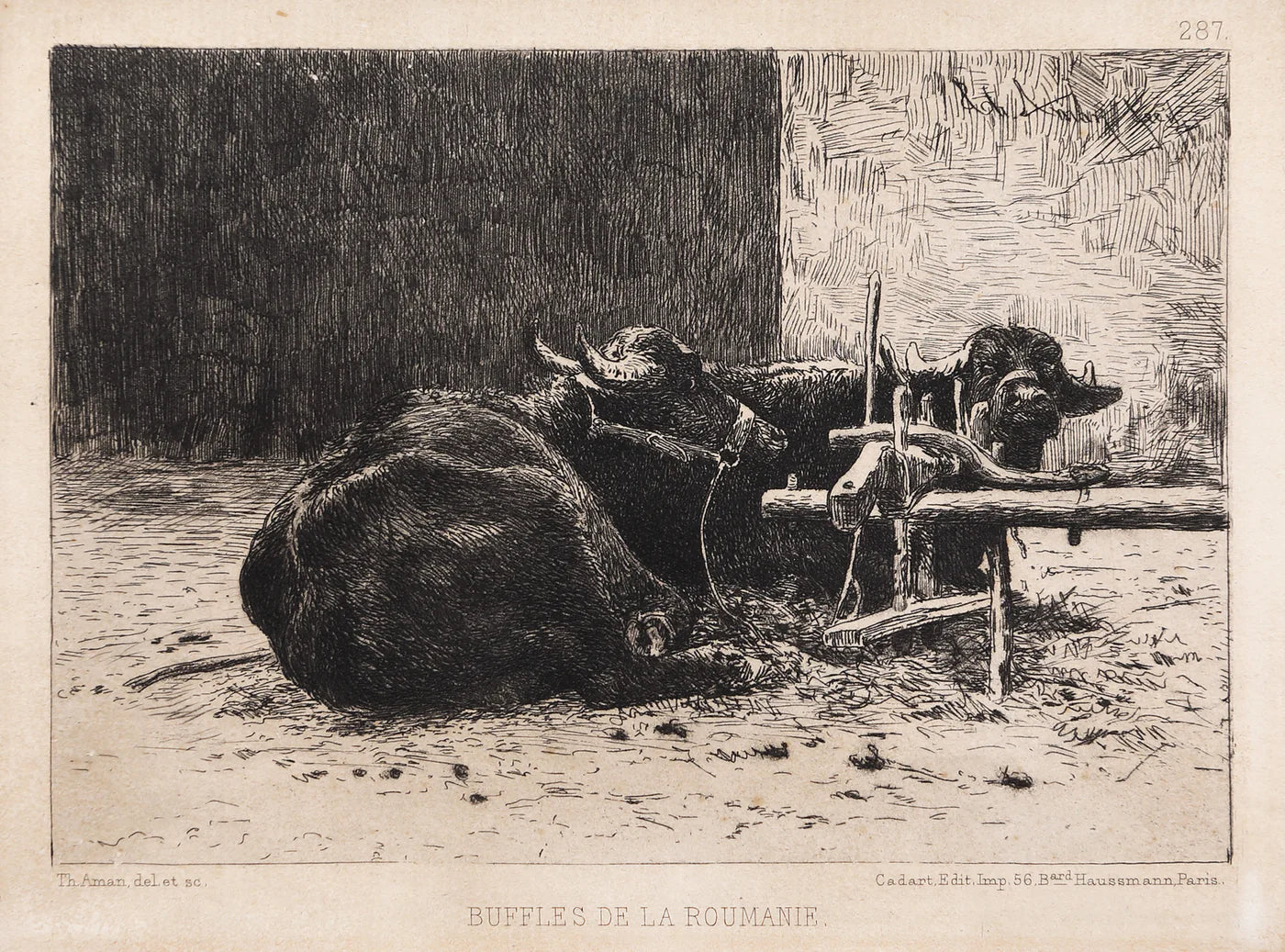
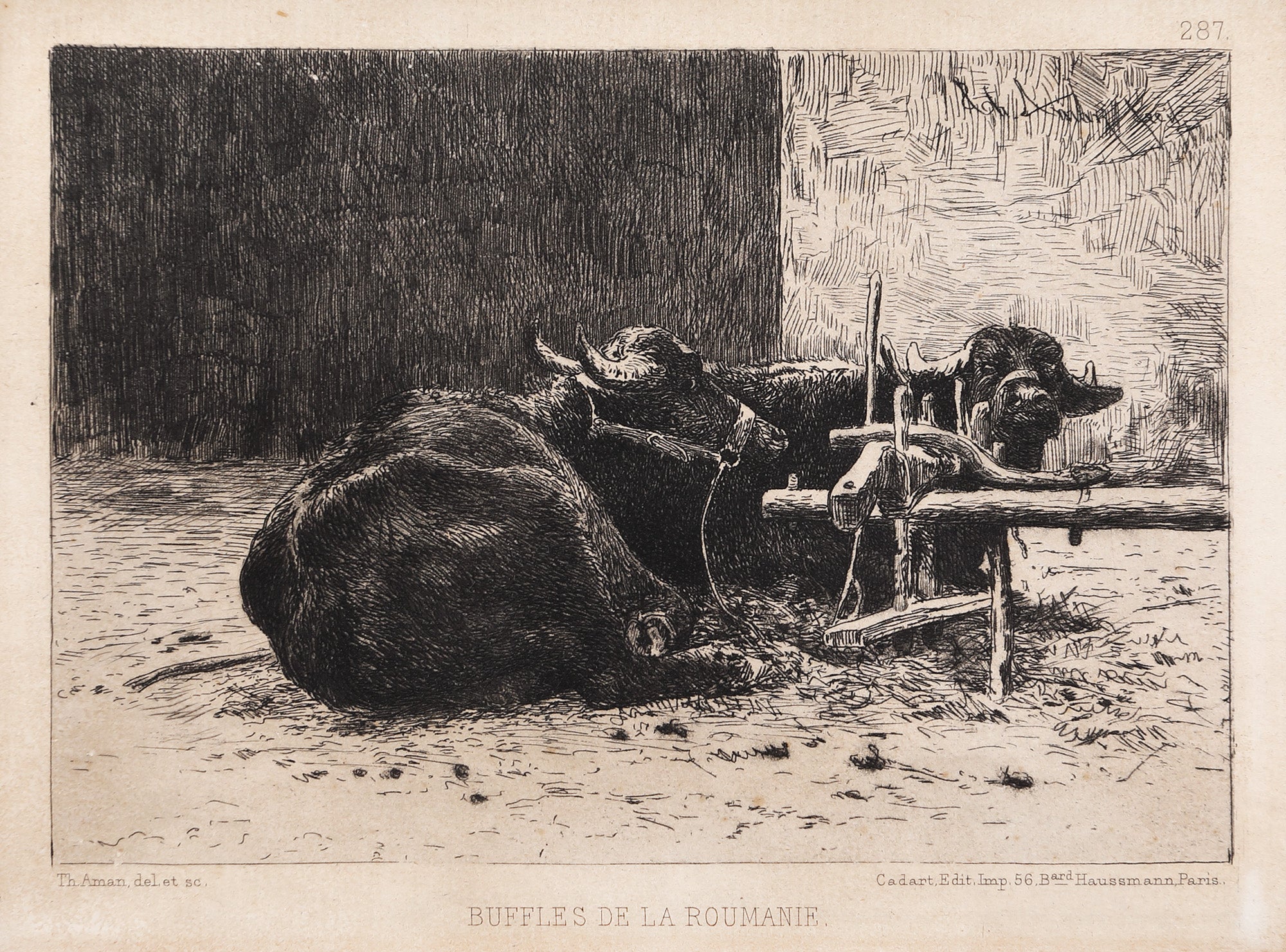
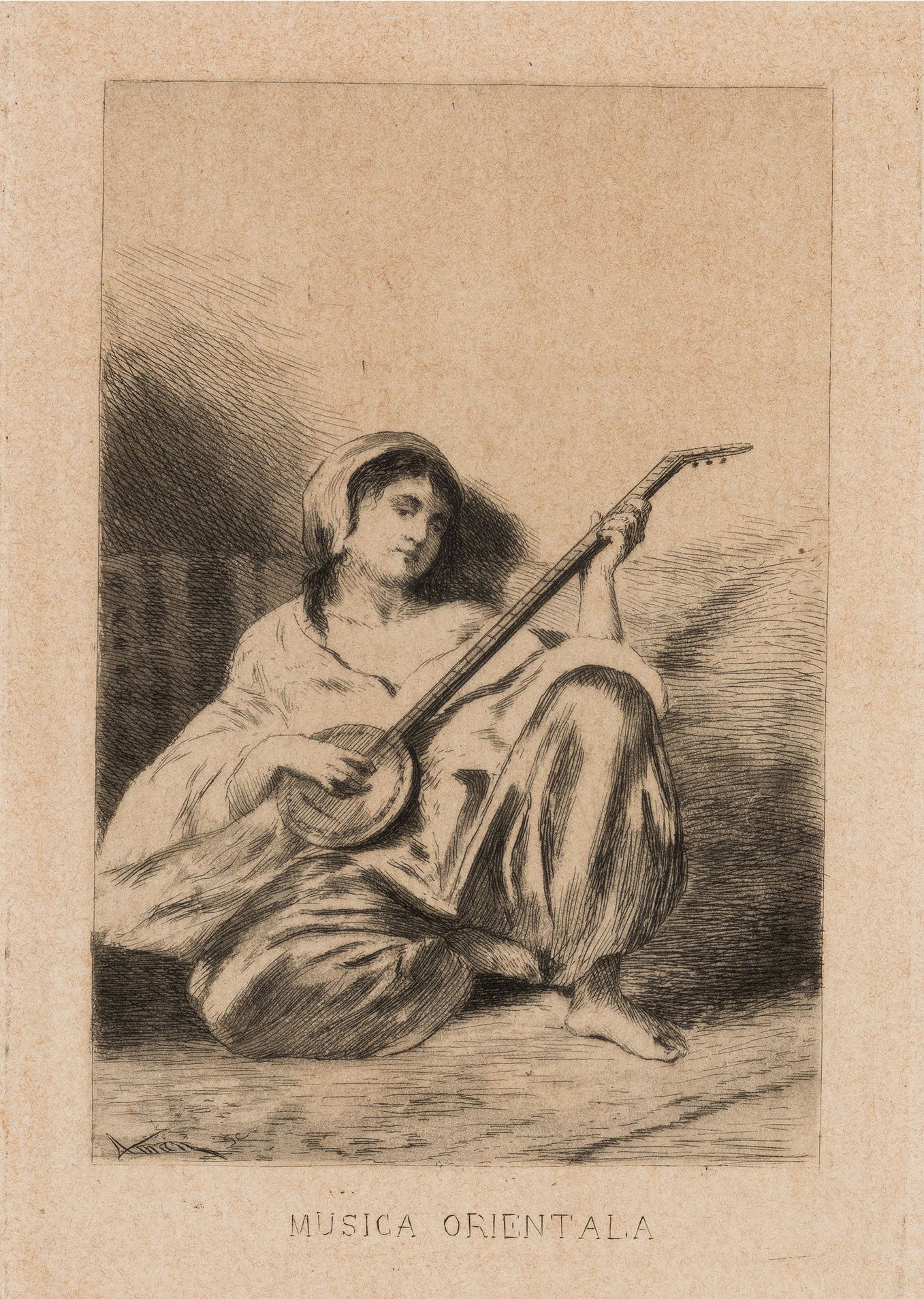
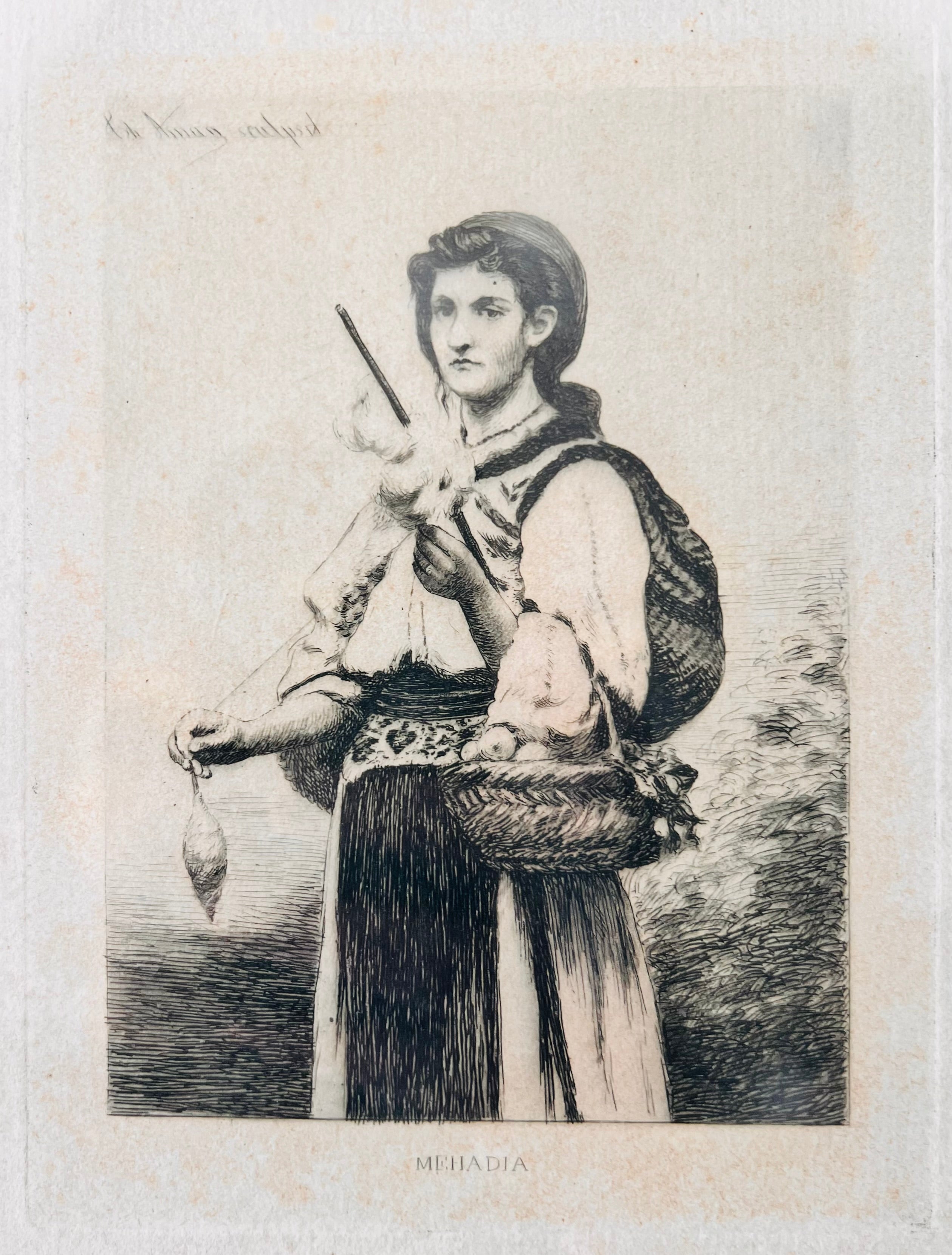
Less known to the general public, but essential for the history of our art, is Aman the engraver. He was a pioneer of modern Romanian engraving, preferentially practicing etching (and related techniques) in his own studio, and creating portfolios that capture costumes, social types, urban landscapes, and historical themes. These plates are notable for their firm lines, refined hatching, and the ability to condense narrative into clear, evocative signs. The engravings function as a visual journal of the era: from market figures and Bucharest interiors to heroic evocations and portraits of contemporaries.
A demanding professor and promoter of artistic education, Aman established lasting professional standards. Today, his paintings and engravings remain landmarks of Romanian modernity, illustrating the happy encounter between academic classicism and local sensibility, between the rigor of drawing and the poetry of light.