Jacques Herold
Jacques Hérold (b. 1910, Piatra Neamț – d. 1987, Paris) was a Romanian avant-garde painter and sculptor, considered one of the prominent representatives of European surrealism. Trained at the School of Fine Arts in Bucharest, Hérold settled in Paris in 1930, where he quickly came into contact with the artistic scene of the era, becoming close to Victor Brauner, André Breton, and Yves Tanguy.
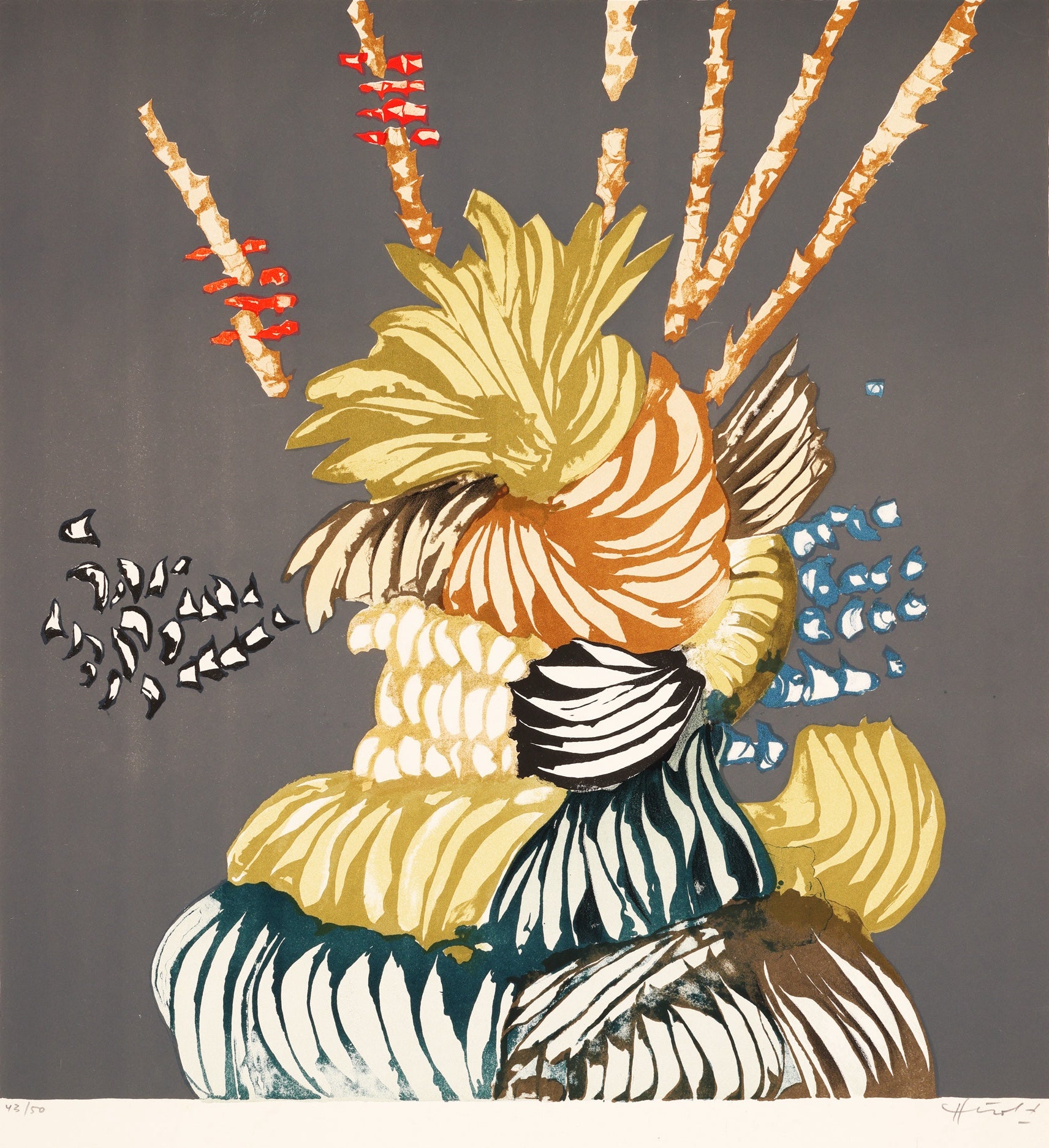
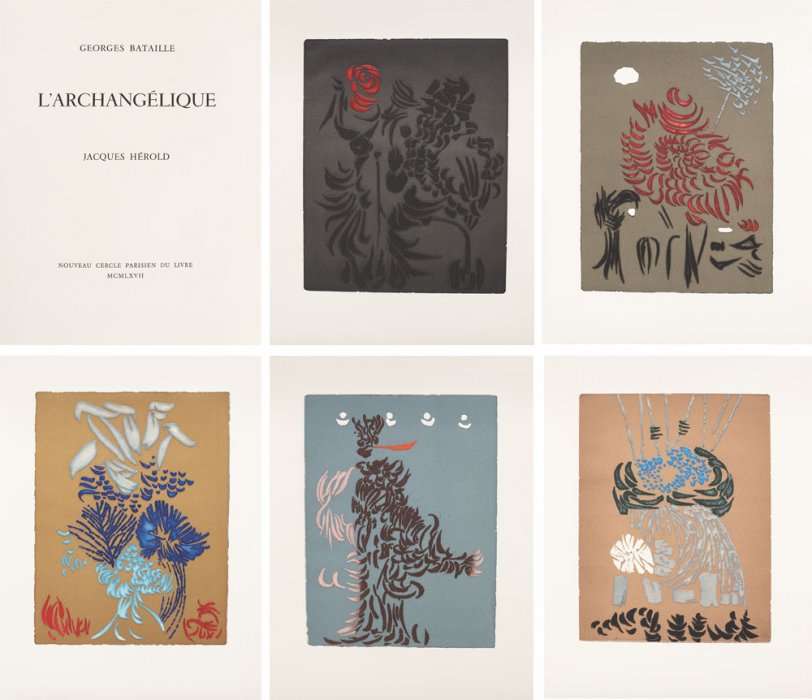
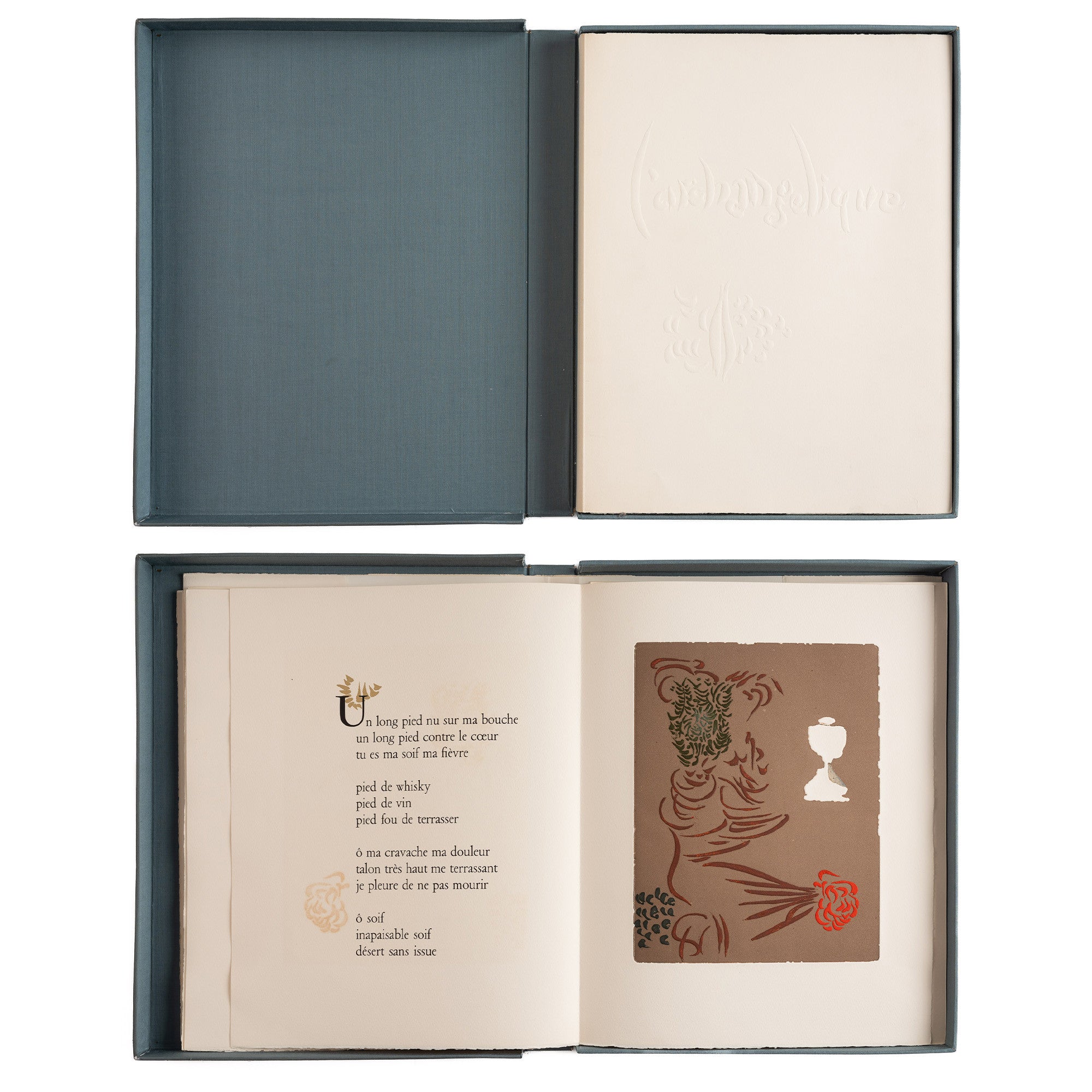
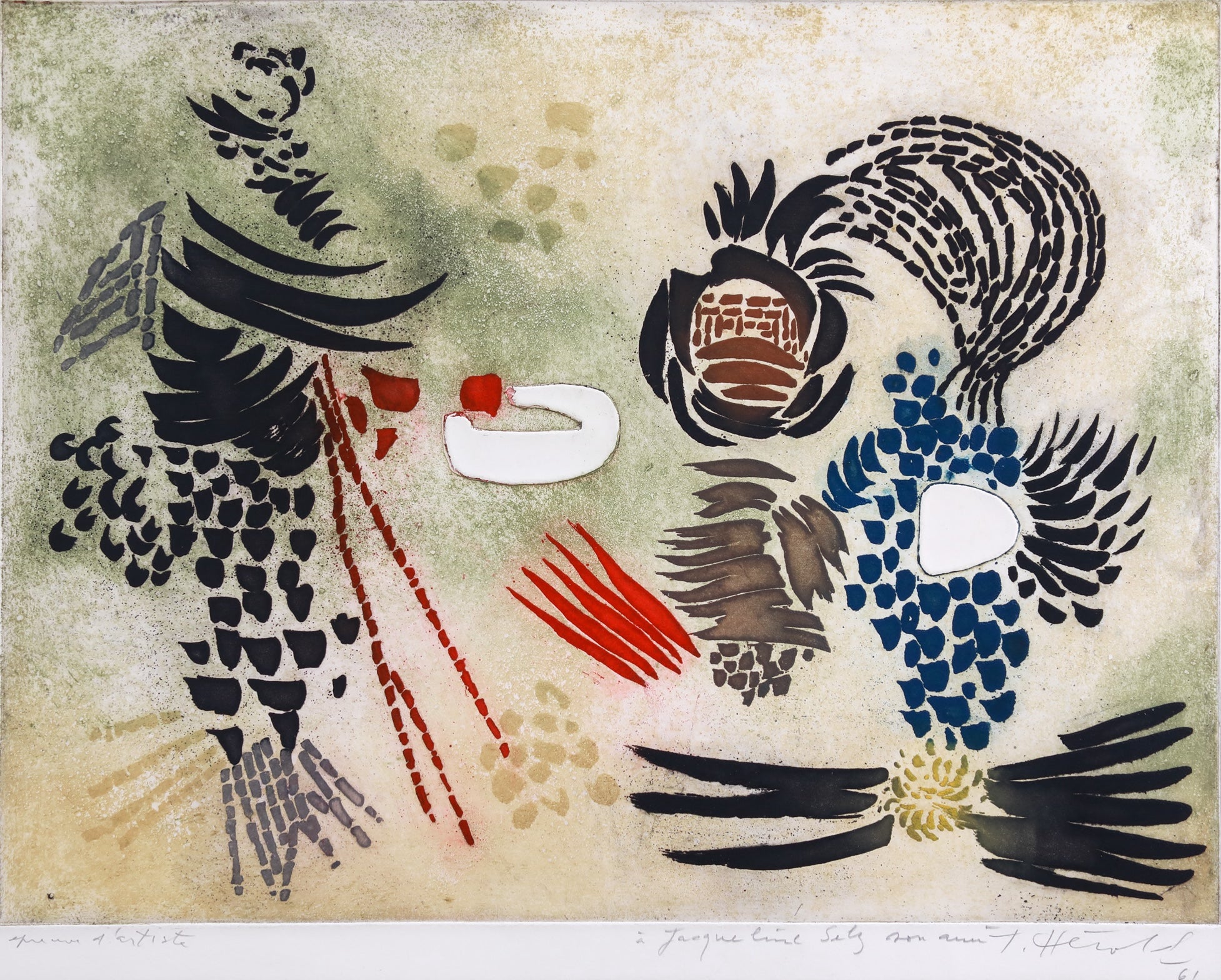
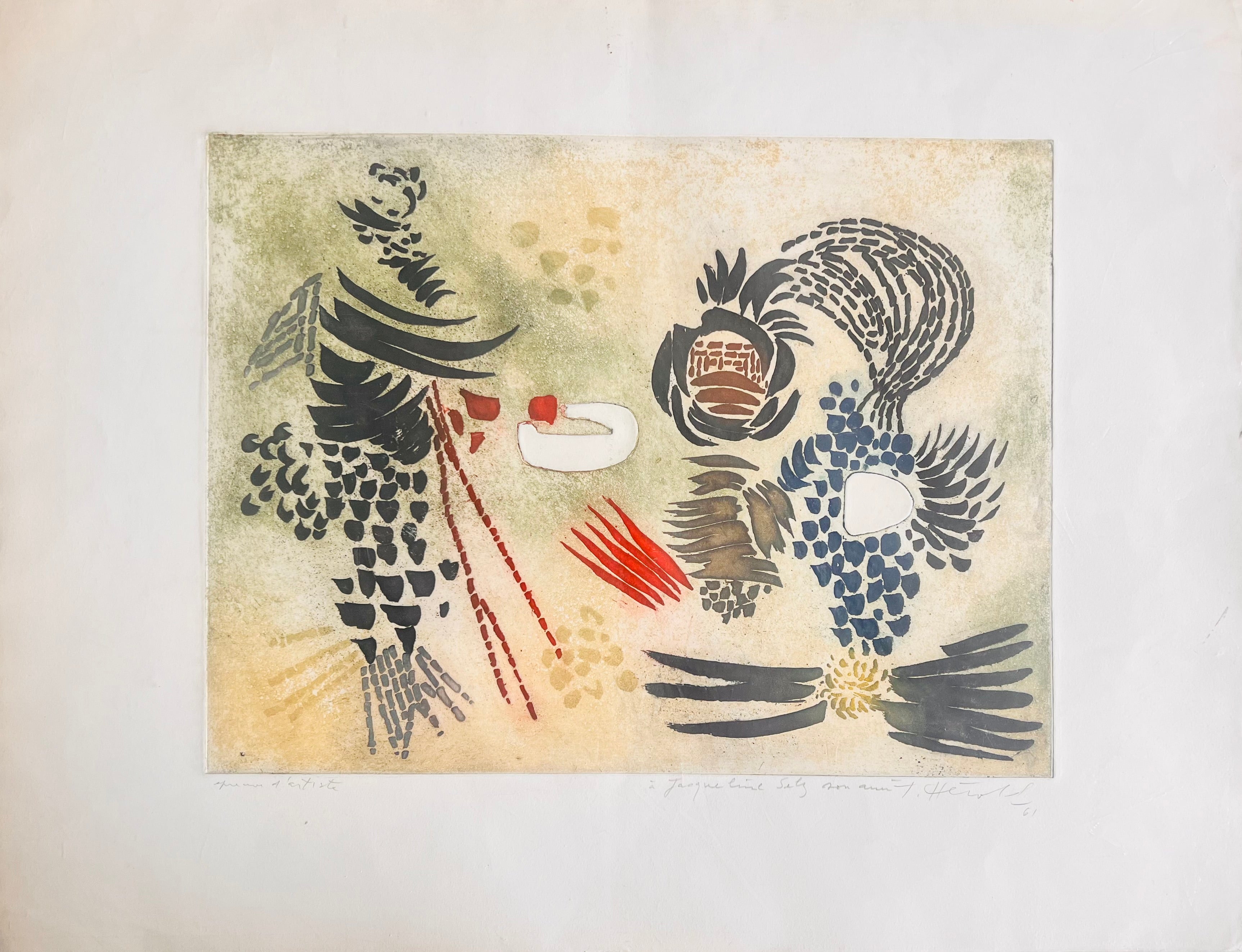
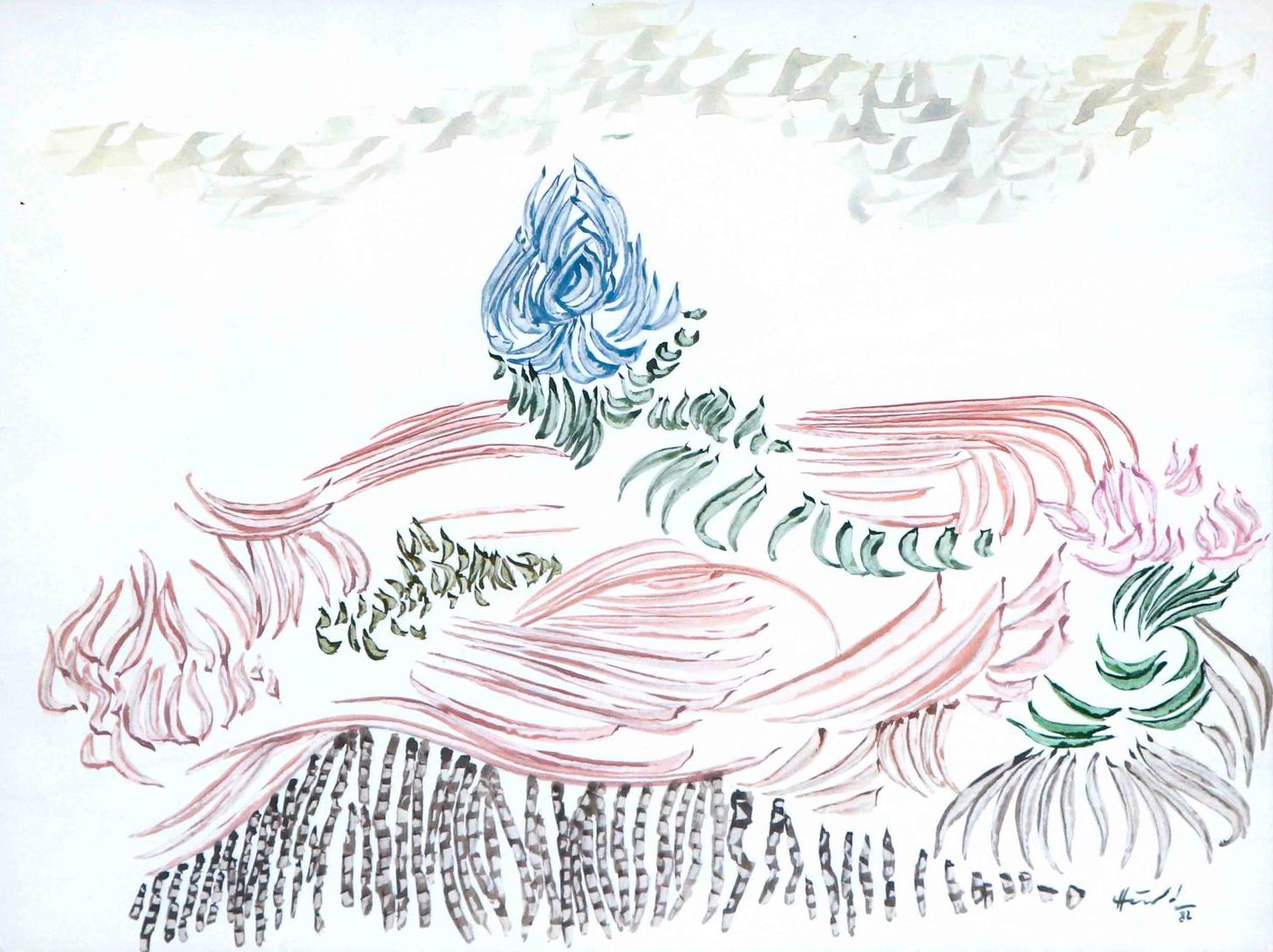
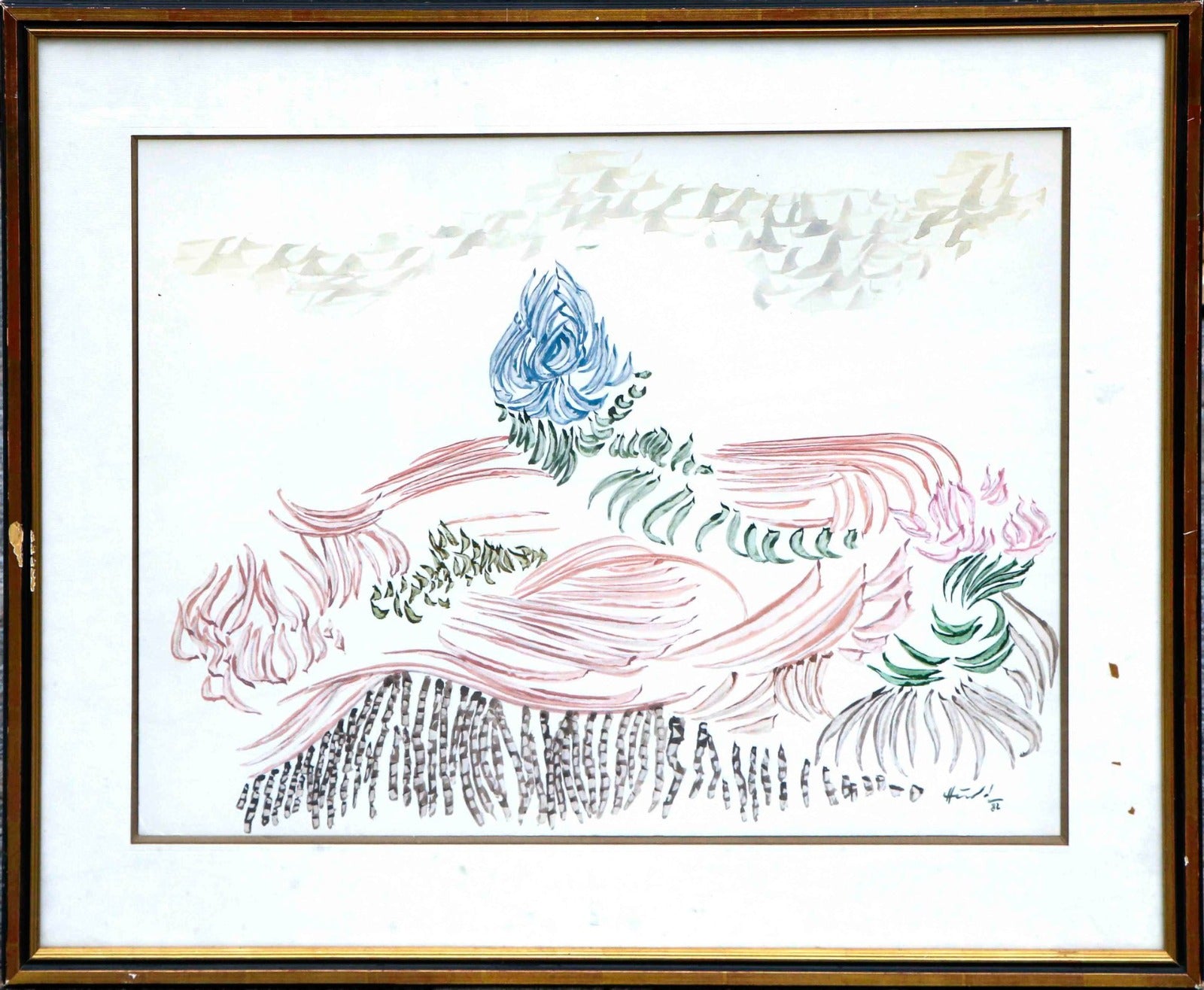
His work falls within the realm of surrealism and lyrical abstraction, combining free gesture, symbolism, and organic form into a profoundly original plastic language. Hérold constantly explored the relationship between dream and reality, reason and the unconscious, creating strange, poetic images, often tense between order and chaos. The elegant line, intense chromaticism, and fluid structures are the distinctive hallmarks of his style.
After World War II, the artist developed his own universe, in which the human figure becomes abstracted, transformed into a symbol of inner experience. He exhibited in major European galleries, participating in surrealist group exhibitions and numerous international biennials.
Jacques Hérold was not only a visual innovator but also a theoretician of forms, interested in the relationship between art and the psyche. His works, now housed in important museums and collections worldwide, confirm his status as a major artist of the 20th century, a creator who made an essential contribution to defining the modern language of European art.