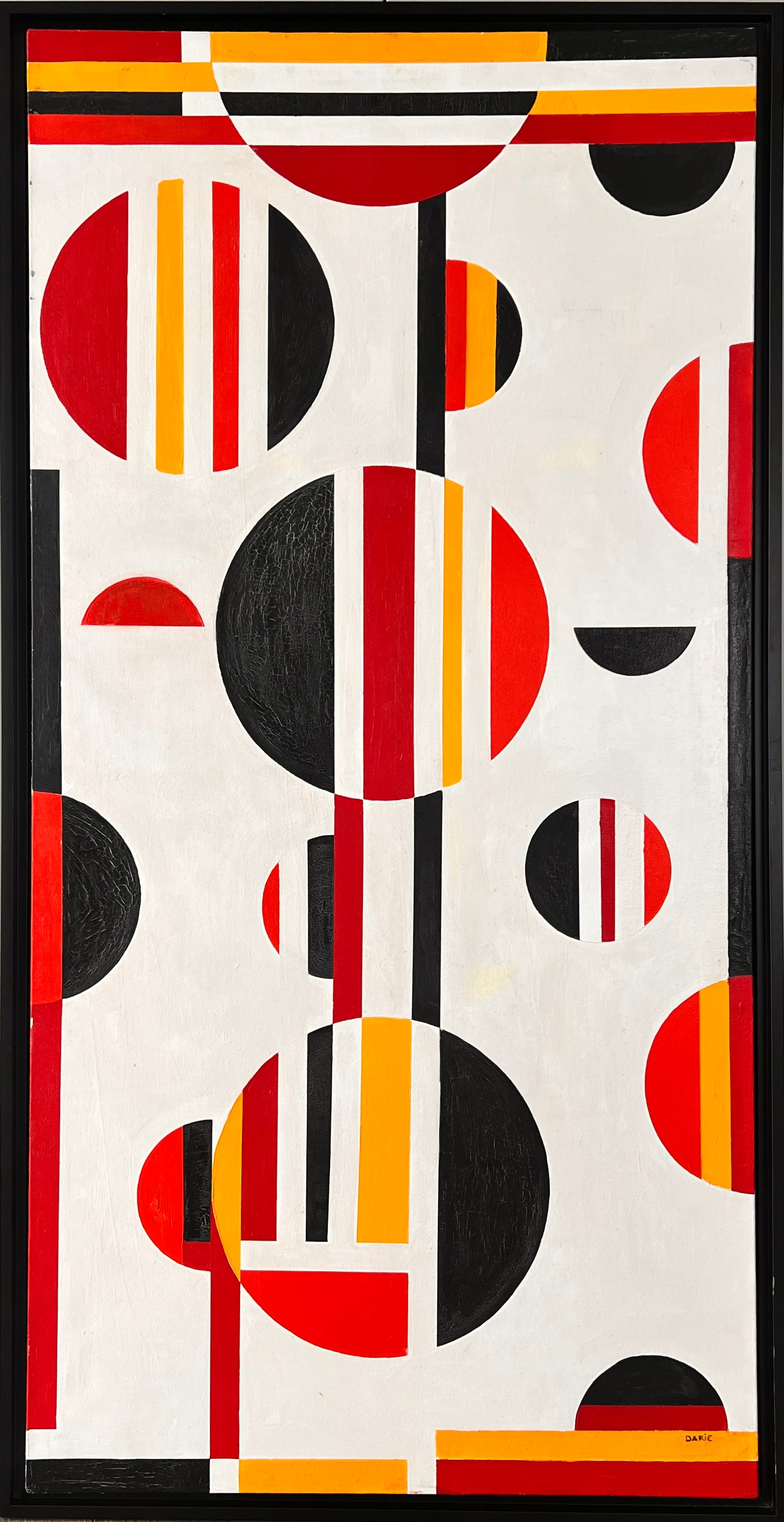
Sandu Daria
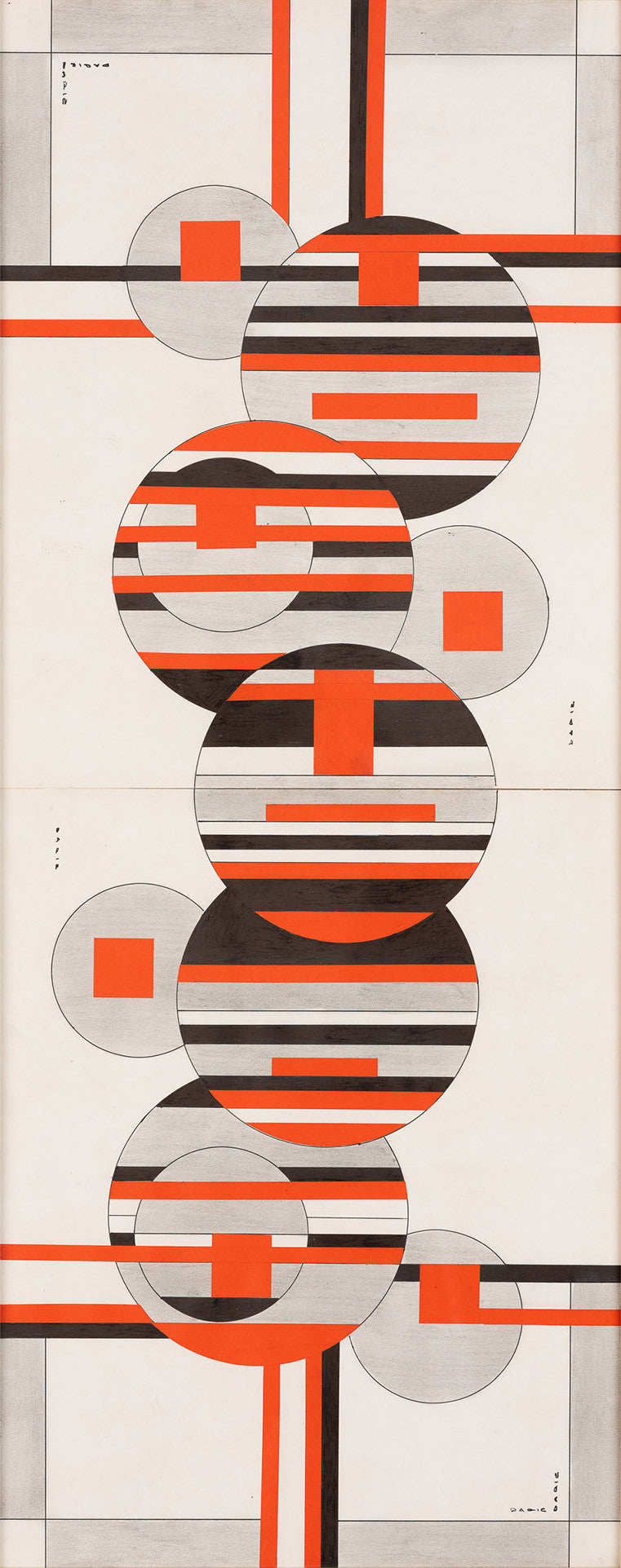
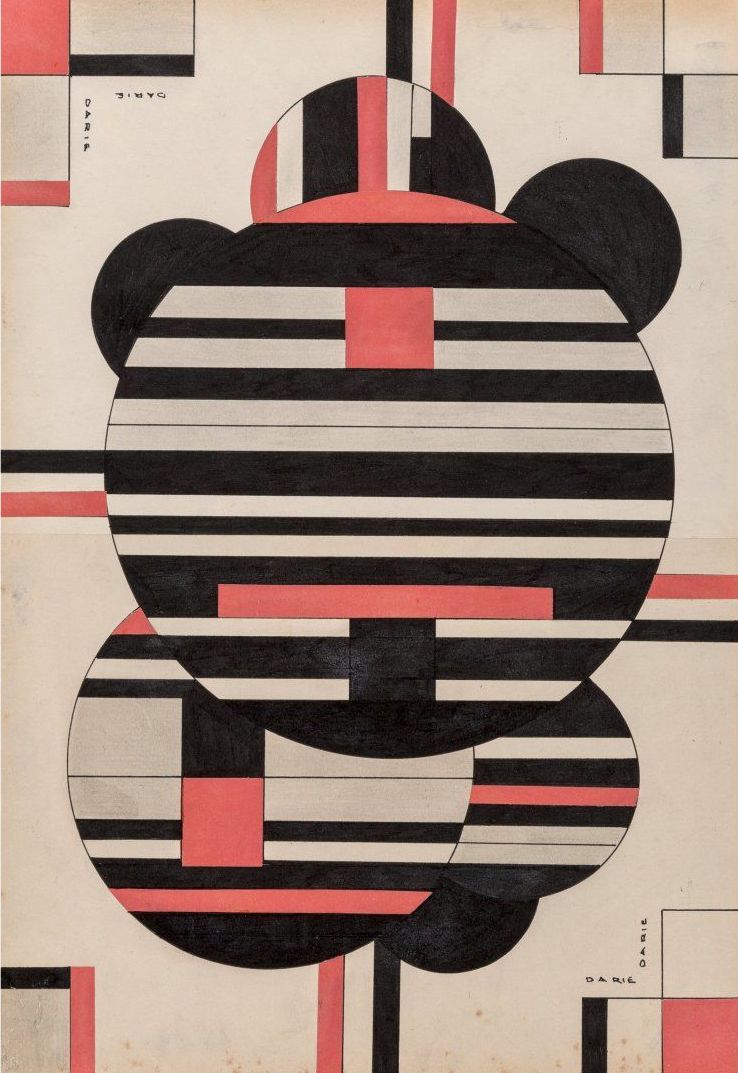
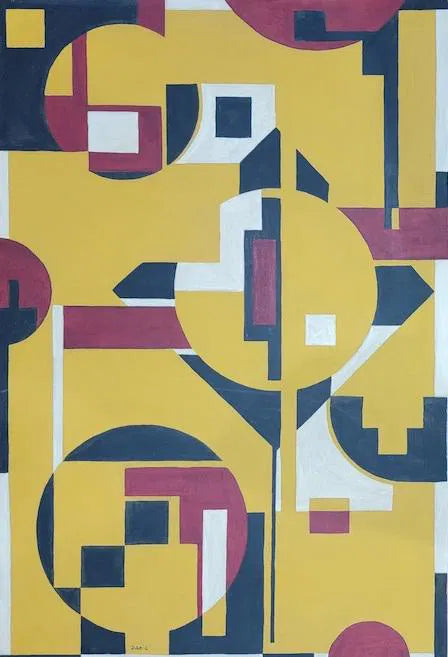
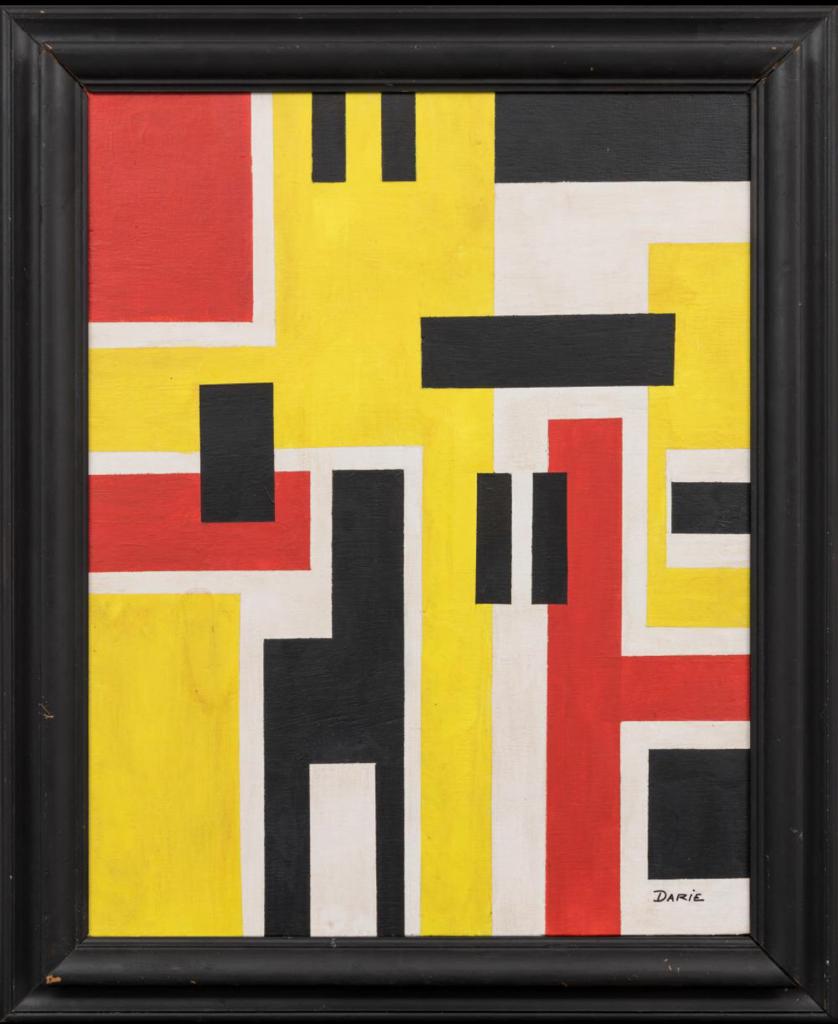
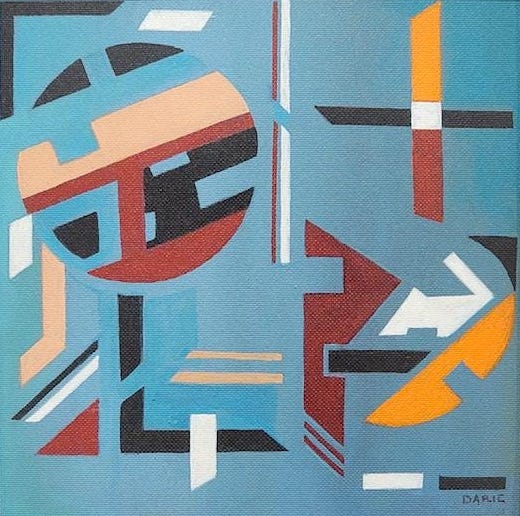
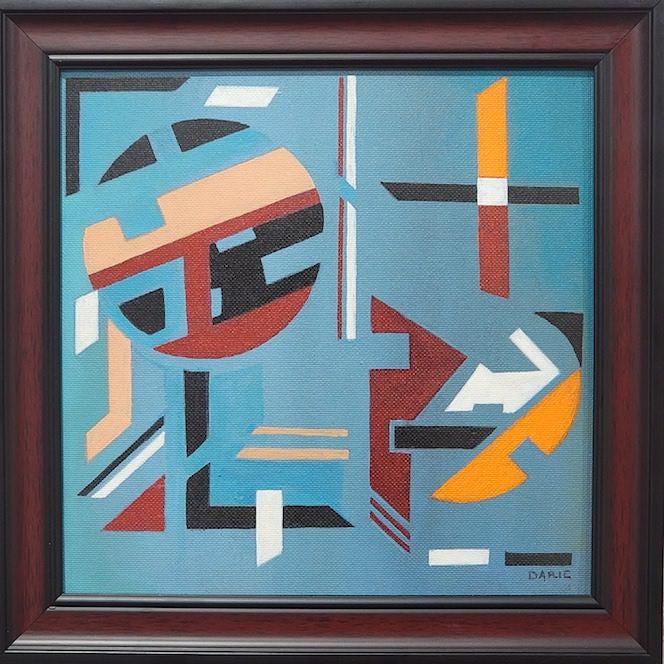
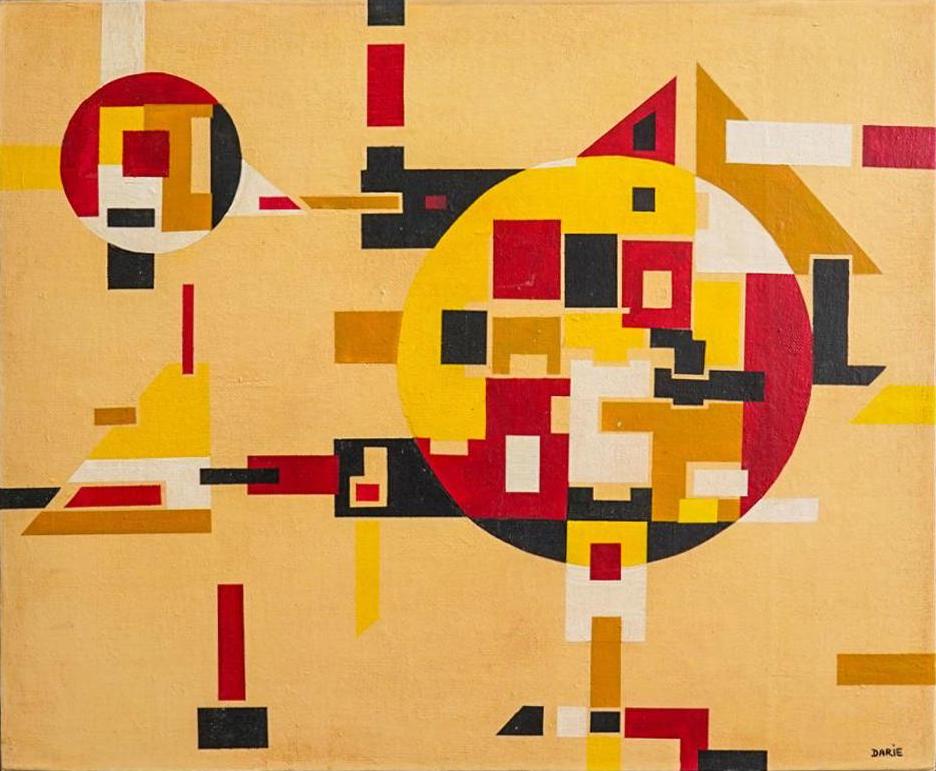
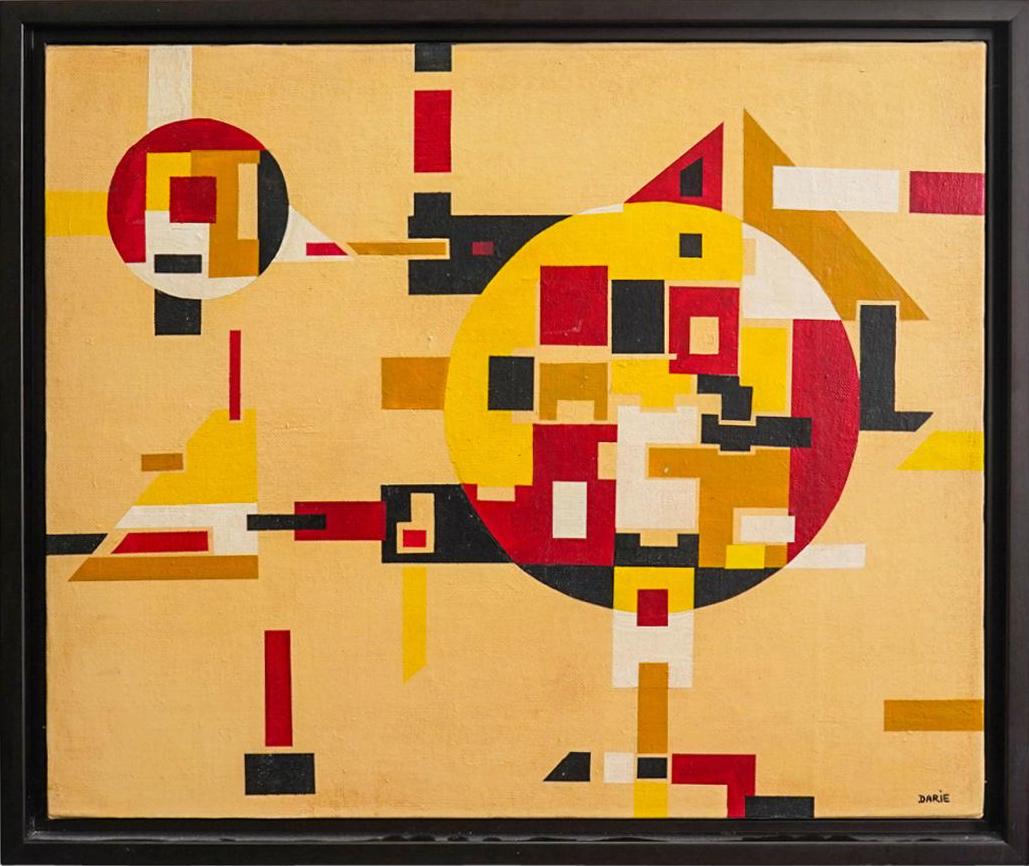
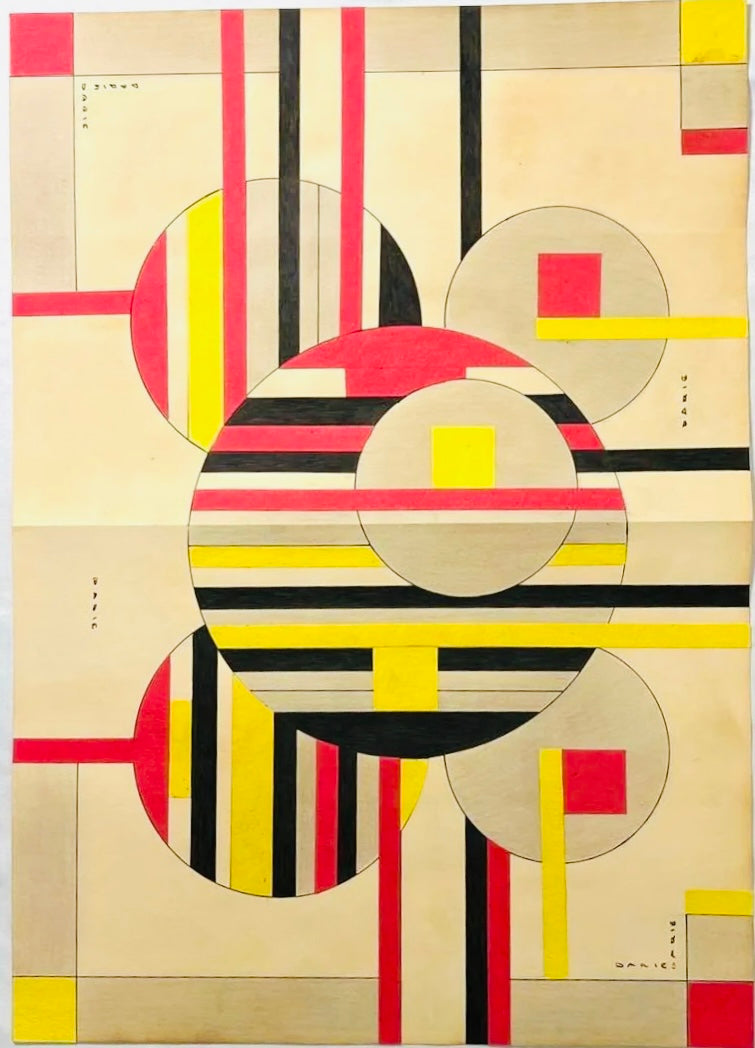
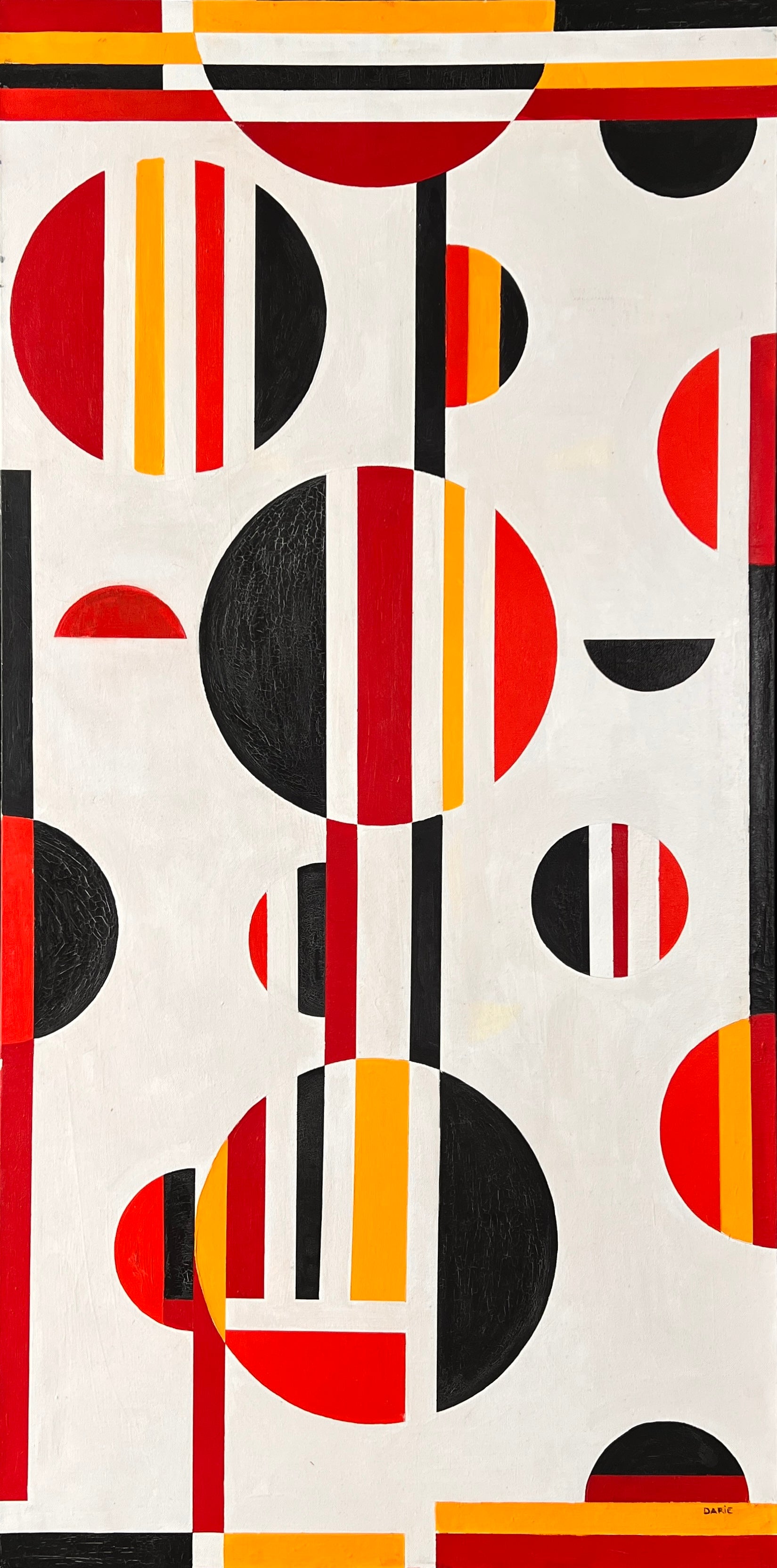
A multidisciplinary artist, he worked in various fields of art, among which sculpture, painting, drawing, ceramics, scenographic design, and theater costume design stand out. He began his academic training in Paris in 1926, in the field of law. However, his interest in art and the artistic atmosphere of Paris introduced Sandu Darie to the world of art as a self-taught artist. During this period, the artist combined his training in France with his participation in progressive magazines and newspapers in Romania and France, where he created humorous drawings, and in 1940 he enlisted in the French army as a volunteer, arriving a year later in Cuba. On the island, he began to create humorous drawings, which gained great renown, making him a benchmark artist starting in 1942. From 1949, the year of his first exhibition in New York, his artistic relationship with Gyula Kosice, founder of the "Arte Madí" group, began, thus becoming part of the group's exhibitions and publishing articles in the group's magazine. Between 1958 and 1961 he was a member of the renowned group of artists "Diez Pintores Concretos", and in 1964 he made, together with Enrique Pineda Barnet, the documentary "Cosmorama. Spatial Poem No. 1", an experimental study of forms and structures in motion, and in the 1970s his production followed a line of projects for urban architectural environments using kinetic art as its language. Sandu Darie Laver is one of the most remarkable figures of Cuban art. He is one of the main precursors of abstraction in its lyrical and geometric aspects, in addition to being one of the greatest representatives of kinetic art. Among his many recognitions, it is necessary to highlight the Honorable Mention of the VIIII Salón de Pintura y Escultura del Museo Nacional de Bellas Artes de La Habana in 1956 and his appointment as Honorary Member of the Royal Academy of Fine Arts in The Hague (Netherlands) in 1975, as well as his presence in private collections around the world, and in institutions such as the Casa de las Américas in Havana (Cuba) and MoMA in New York, among others.