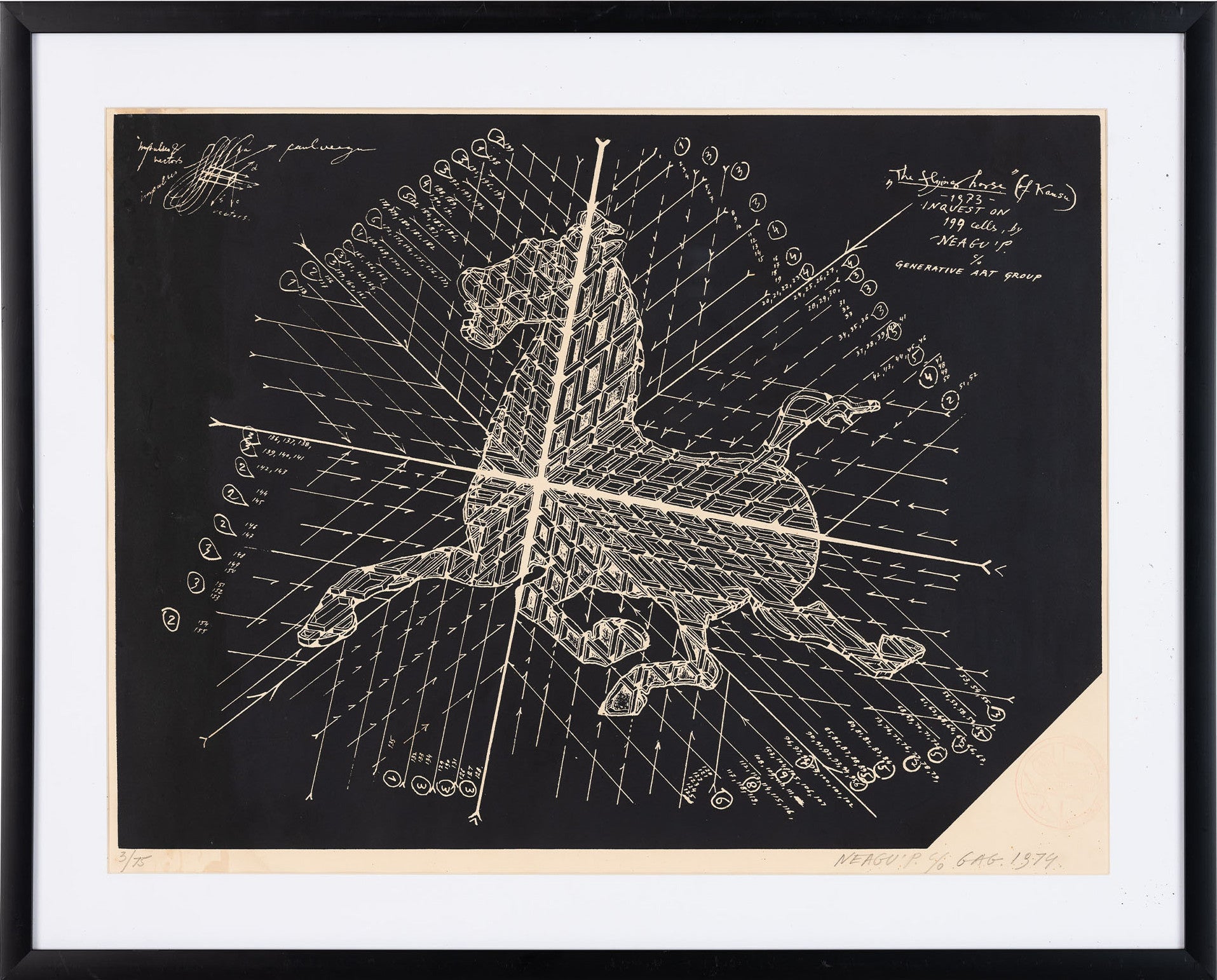
Paul Neagu (1938, Bucharest – 2004, London) was one of the most important and original Romanian artists of the second half of the 20th century, with an international career developed mainly in Great Britain. Sculptor, draftsman, painter, and conceptual artist, Neagu developed a complex body of work in which the human body, matter, and geometry become tools for exploring the relationship between physical and spiritual experience.
Trained at the “Nicolae Grigorescu” Institute of Fine Arts in Bucharest, the artist left Romania in 1970 and settled in London. Here, he quickly established himself in the British art scene, developing an interdisciplinary language that brought together sculpture, drawing, graphics, performance, and installation.
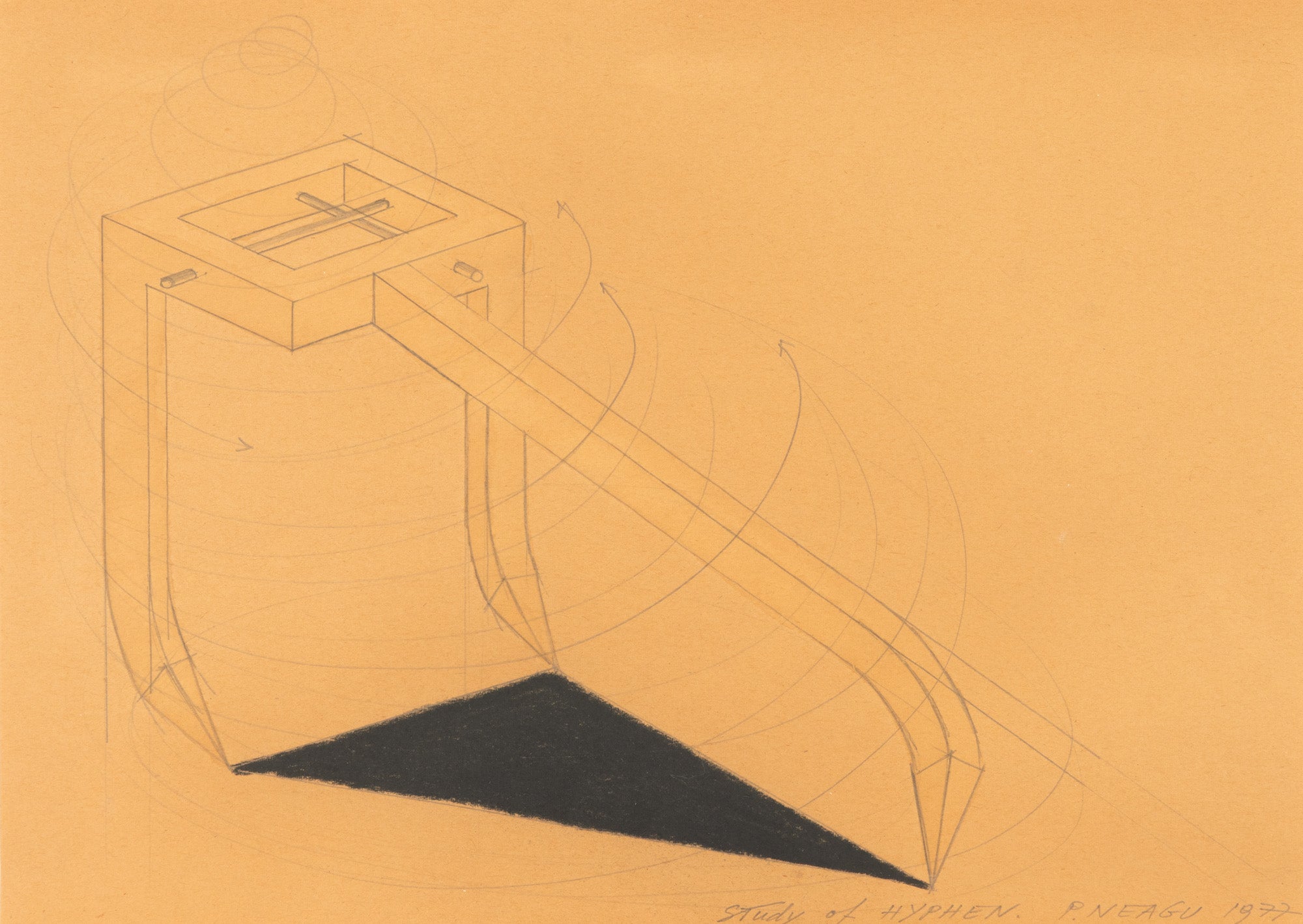
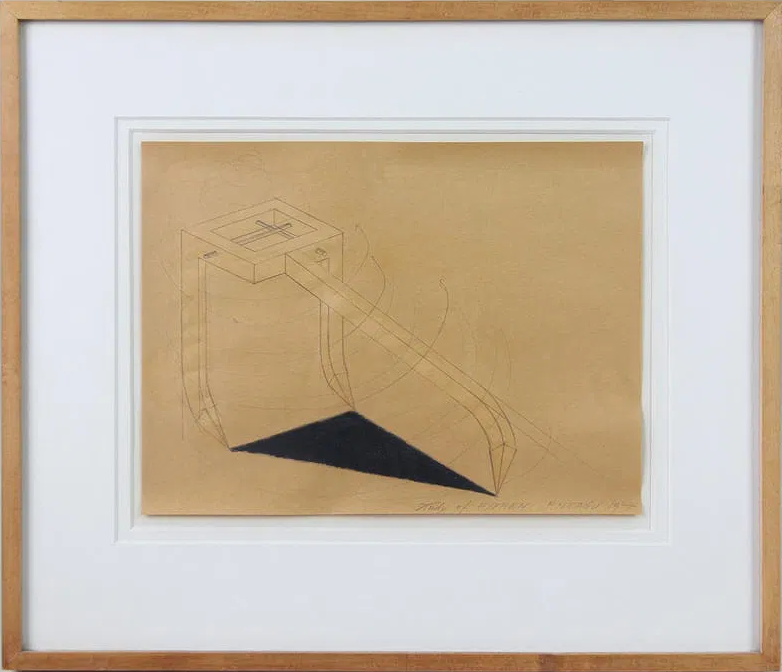
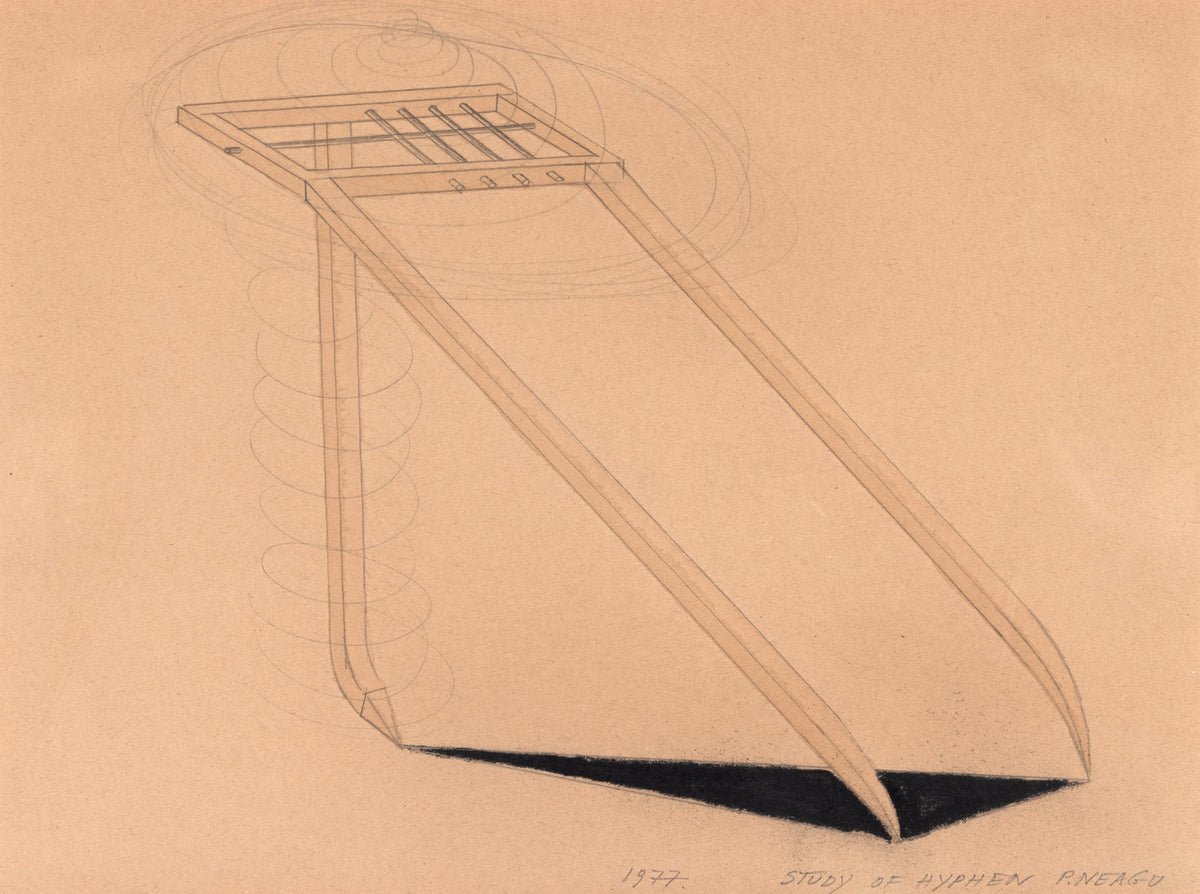
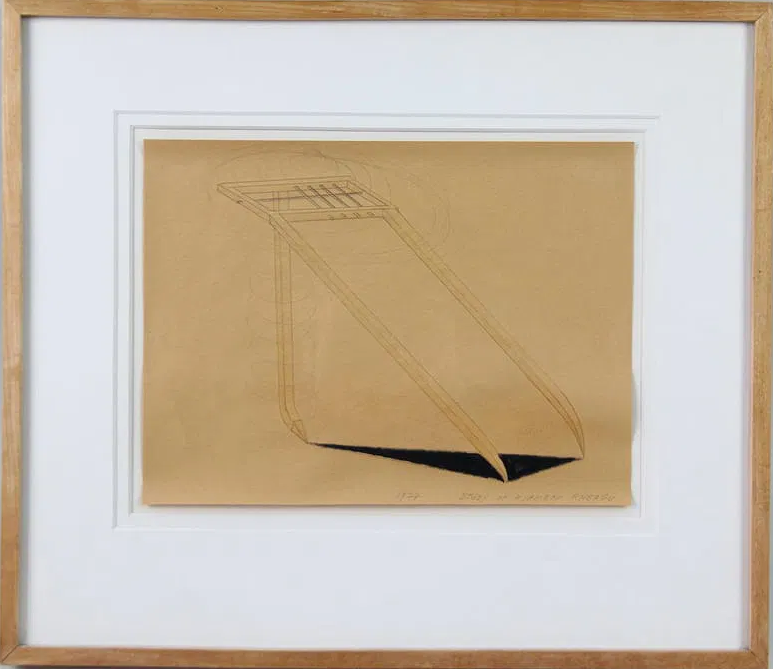
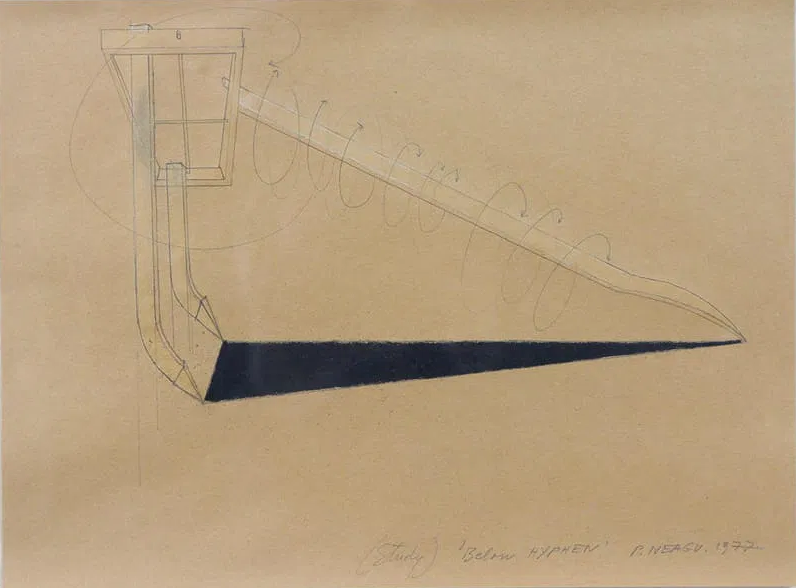
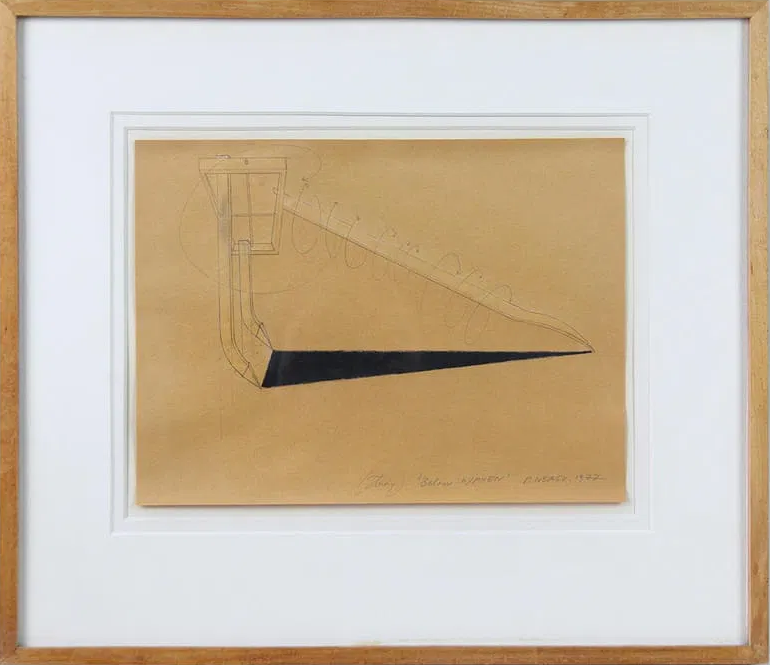
A central concept in his creation is “Hyphen,” an emblematic sculptural form, conceived as a connecting element between the opposites of existence: material and spiritual, individual and universal, static and dynamic. Other recurring motifs, such as “Starhead” and compartmentalized anthropomorphic structures, reflect the artist’s preoccupation with the body as a complex system, composed of fragments in a permanent relationship with the whole.
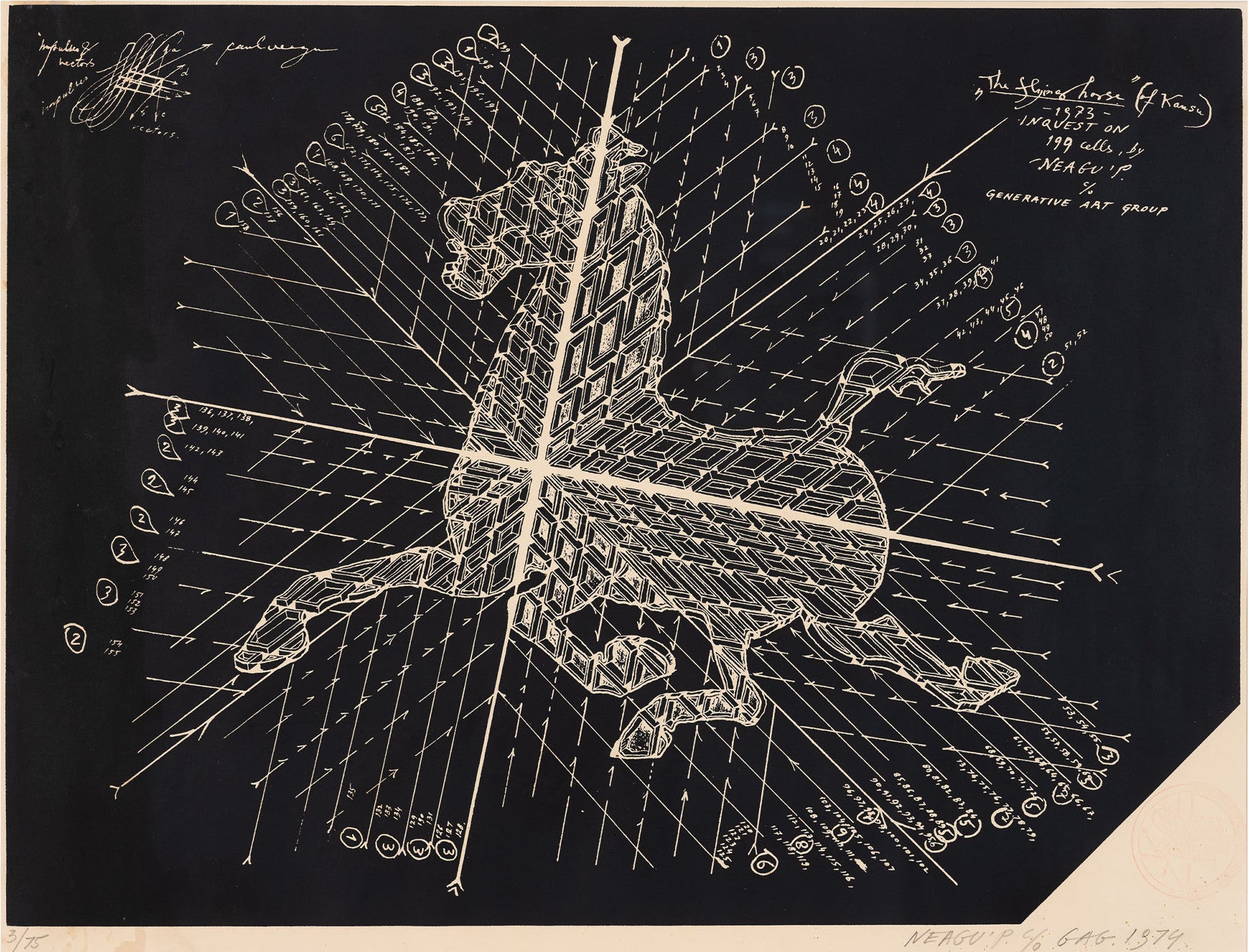
In his drawings and graphic works, Paul Neagu develops the same universe of signs, geometric shapes, and organic structures, demonstrating remarkable conceptual rigor and visual inventiveness. The line becomes a tool of inquiry, and the image often takes on the character of a symbolic map of the body and existence.
Today, Paul Neagu is considered a major figure in European contemporary art, a visionary artist who transcended traditional boundaries between disciplines and influenced generations of creators, among whom is the British sculptor Antony Gormley.