Gustav Klimt
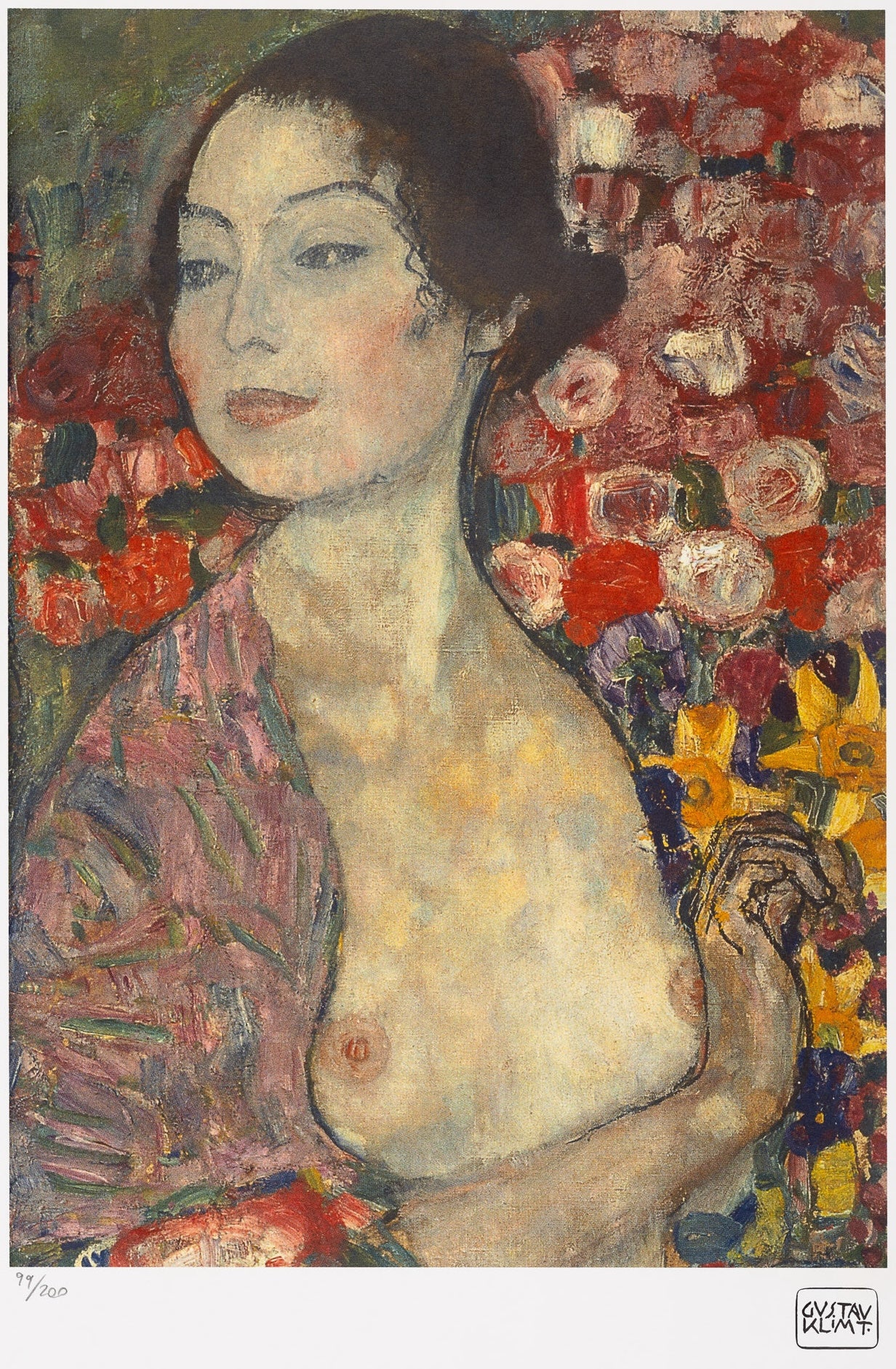
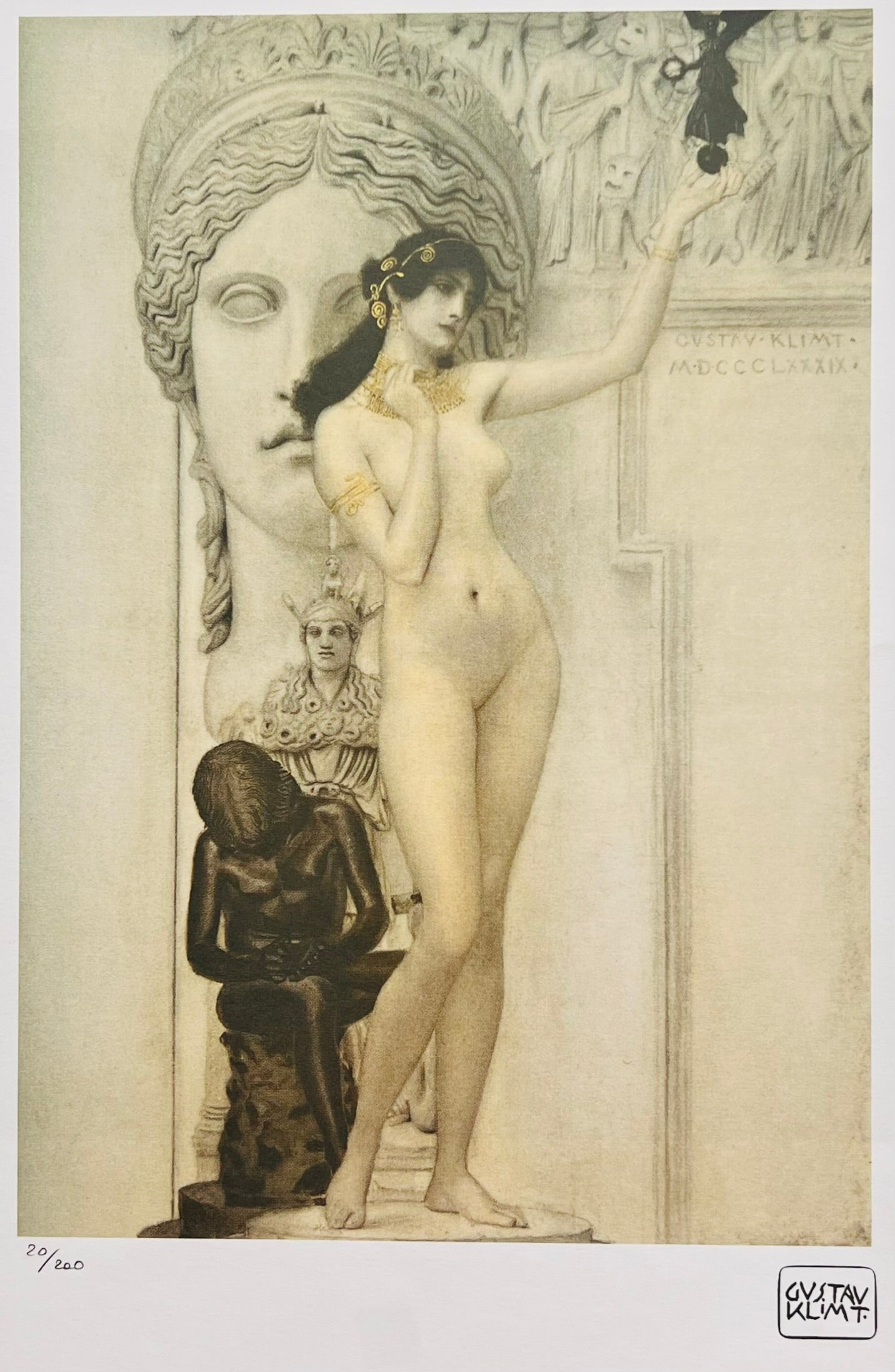
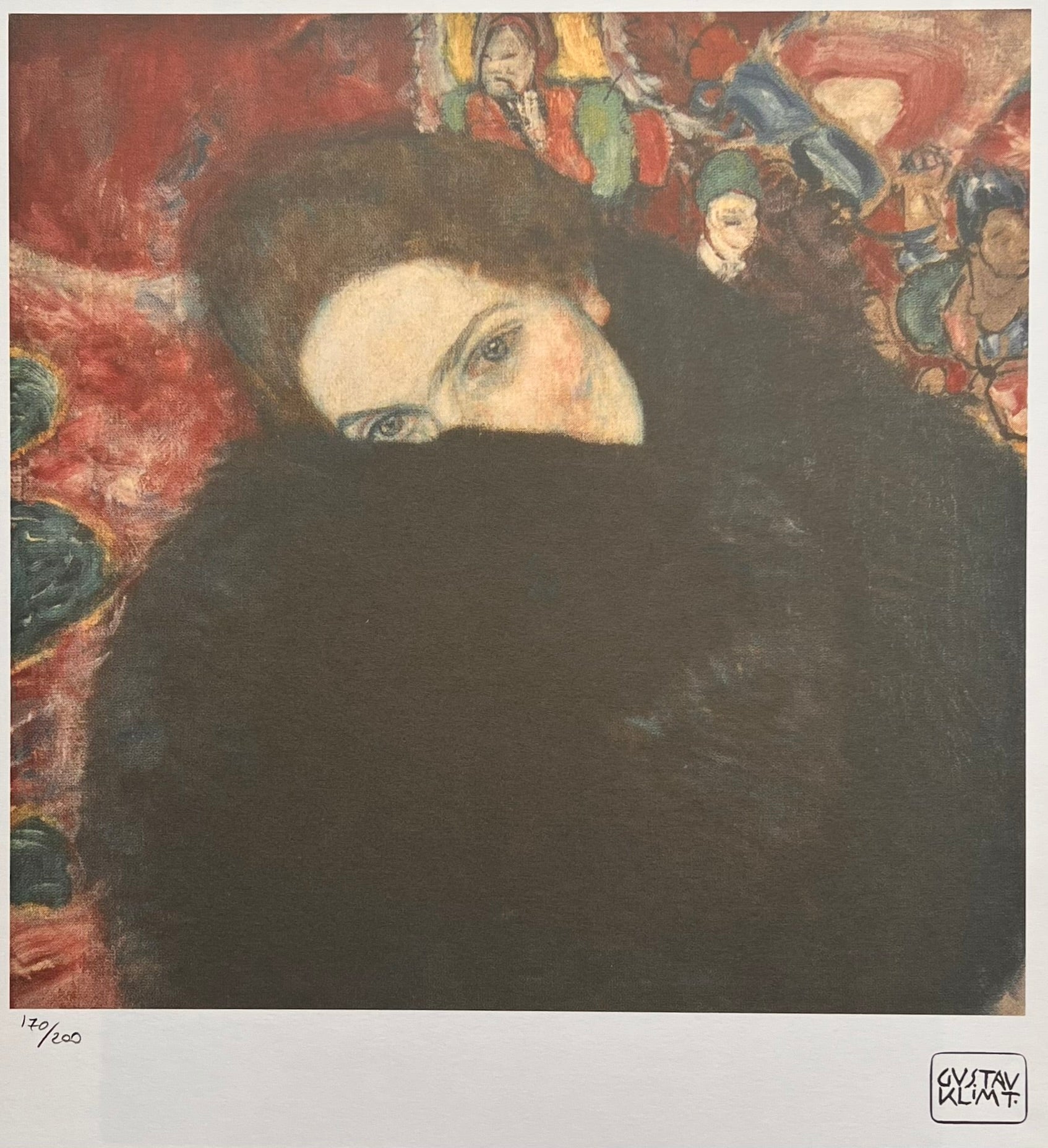
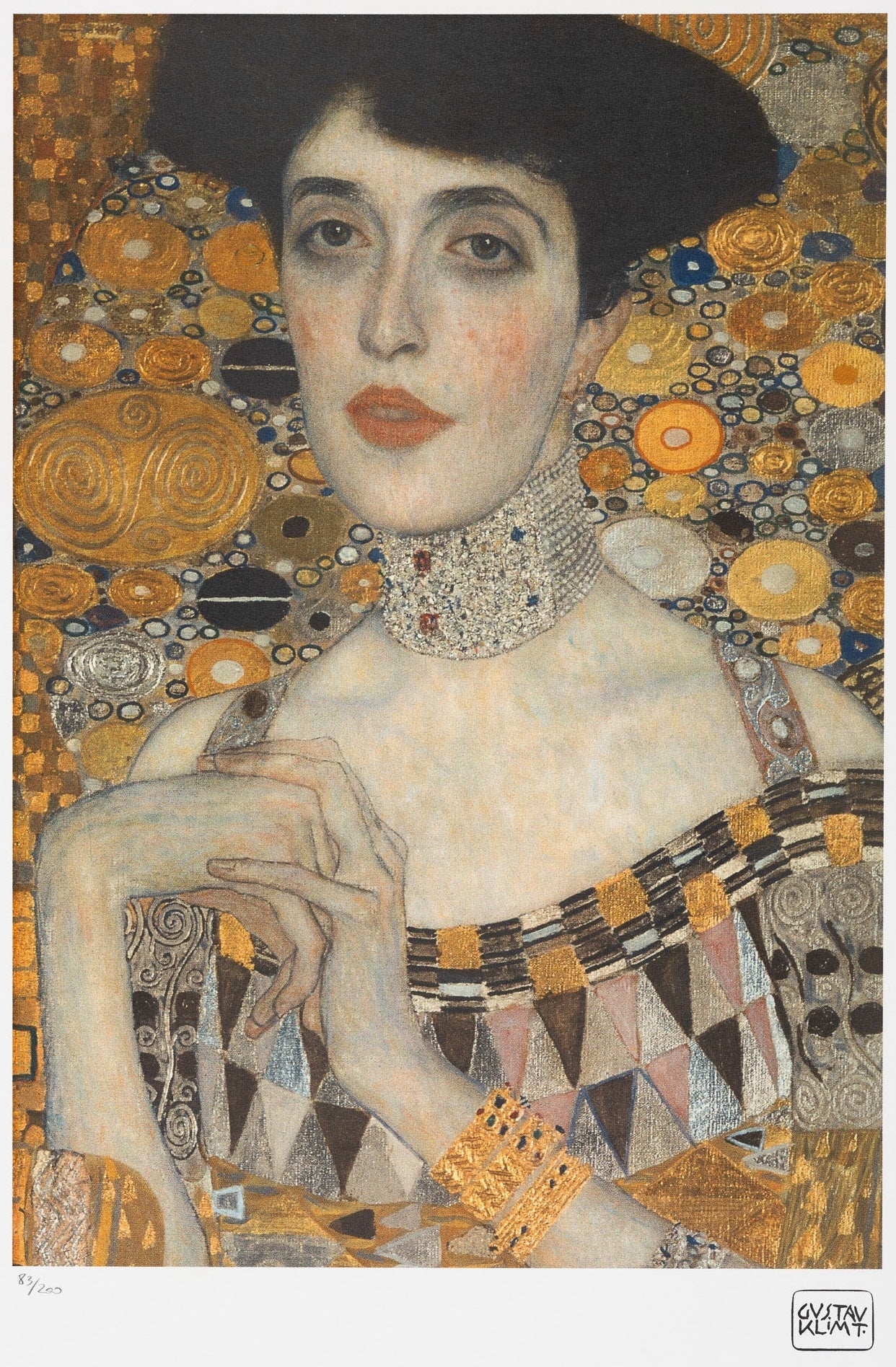
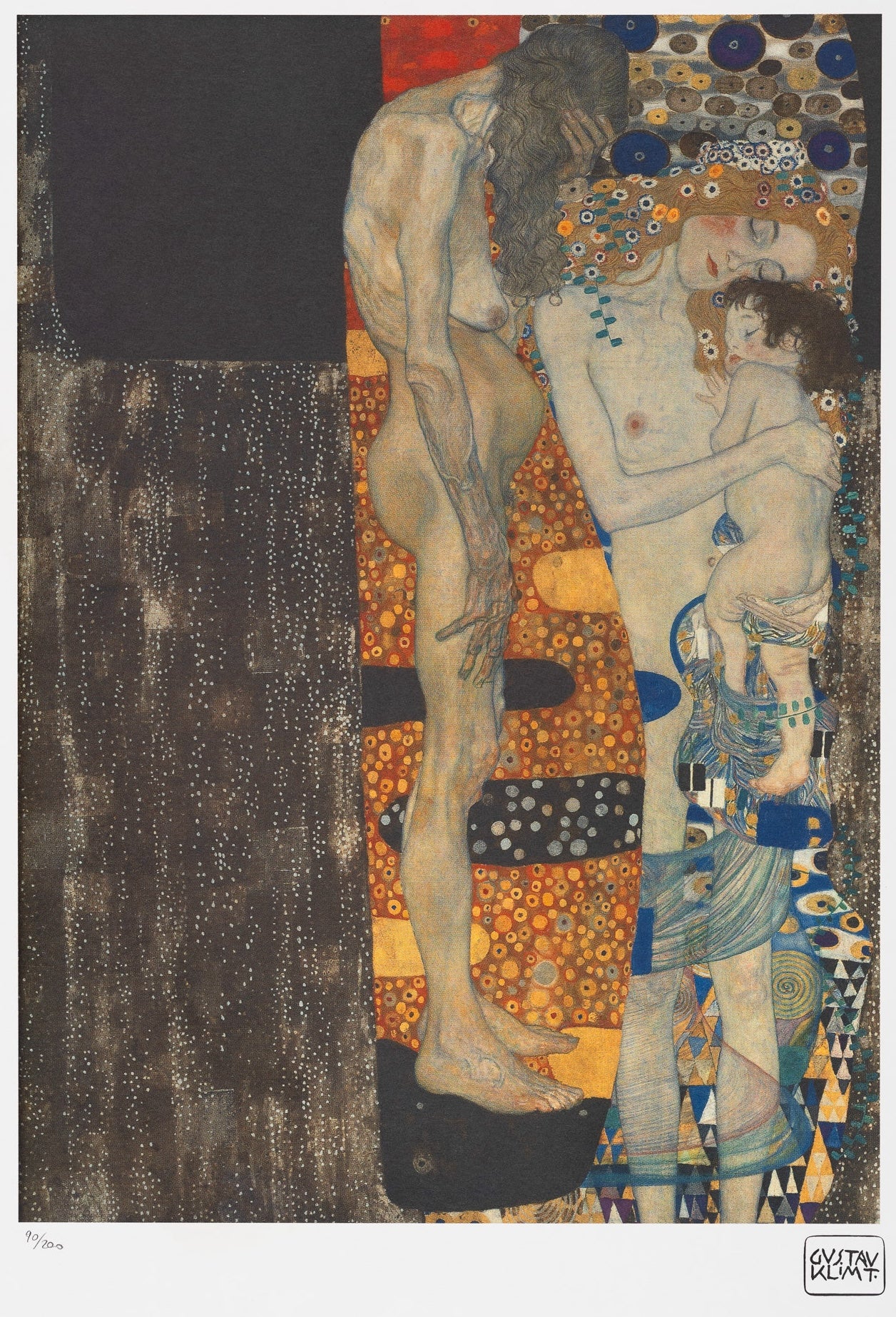
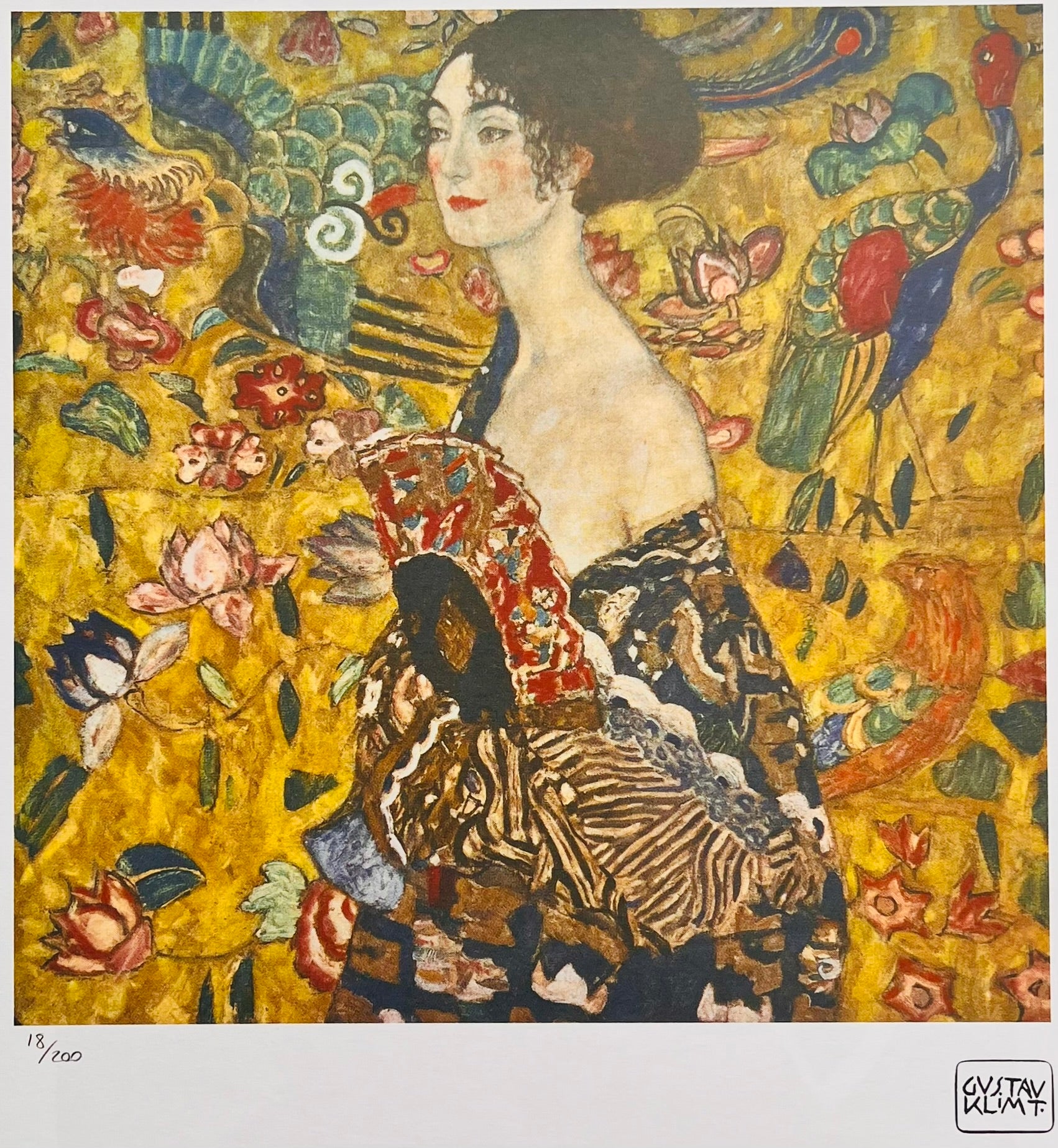
Born on July 14, 1862, in Baumgarten, Austria, Gustav Klimt was a Symbolist painter and a prominent figure of the Art Nouveau movement. Renowned for his ornate and sensual style, Klimt's works are celebrated for their intricate patterns, gilded surfaces, and symbolic themes.
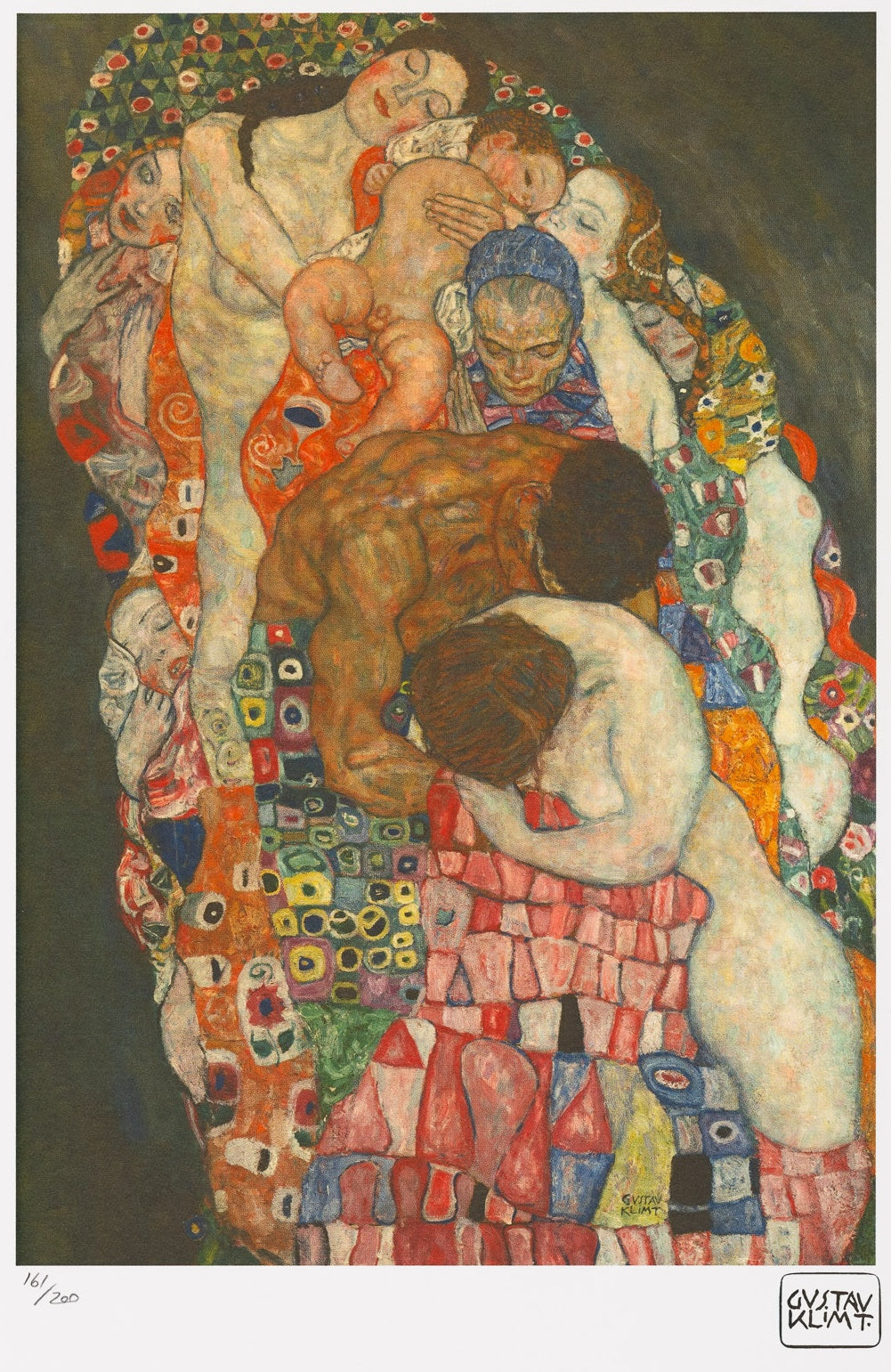
As one of the co-founders of the Vienna Secession, Klimt played a pivotal role in challenging the academic conventions of his time. His most famous work, "The Kiss," exemplifies his distinctive blend of symbolism and decorative aesthetics. Throughout his career, Klimt explored themes such as love, feminine beauty, and the intertwining of life and death.
Klimt's contributions to the art world left an indelible mark, and his influence extended beyond painting into other forms of decorative arts. He was a leading figure in Vienna's cultural flourishing during the late 19th and early 20th centuries. Gustav Klimt passed away on February 6, 1918, but his legacy endures as a testament to the transformative power of art.